CALL TO MAKE AN APPOINTMENT!
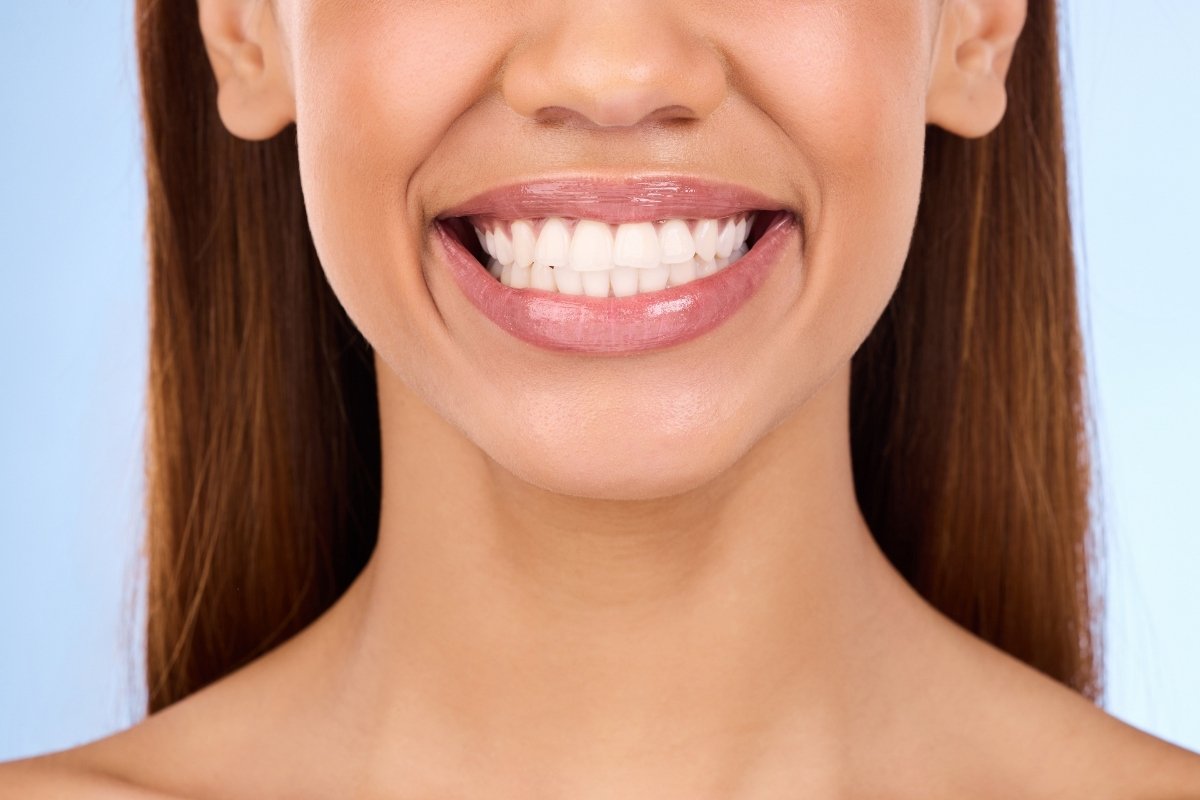
Yes, it can, but only when you misuse it. Whitening products that contain hydrogen peroxide or carbamide peroxide lighten stains without dissolving healthy enamel, as long as you use the right strength for the right amount of time. Trouble starts when people leave strips on for extra hours, whiten again before their teeth recover, or reach for lemon juice and charcoal powder. Enamel doesn’t grow back once you lose it, so it helps to know where the line sits before you start.
This guide covers what whitening does inside your teeth, which side effects are normal, which ones signal a problem, and how to brighten your smile while keeping your enamel strong.
What does whitening actually do to your teeth?
Whitening gel works through a simple chemical reaction. When peroxide touches your tooth, it breaks down and releases oxygen molecules that slip into the tiny pores in your enamel. Those molecules split up the colored compounds left by coffee, tea, red wine, tobacco, and years of wear. The compounds break into smaller pieces that no longer look dark.
Whitening changes the color inside your tooth. It doesn’t scrape or sand the surface. That difference explains why a properly used product can lighten your smile without thinning it.
Does whitening weaken or erode enamel?
For most healthy teeth, no. Studies on standard peroxide concentrations show little to no lasting enamel loss when people follow the directions. Some lab tests do catch small, temporary changes right after treatment, like a slightly rougher or softer surface. Your saliva carries calcium and phosphate, and those minerals help the surface recover over the next few days.
Three things raise your risk: stronger gel, longer contact time, and more frequent sessions. Enamel is the hardest substance in your body, but it contains no living cells, so your body can’t rebuild it once it’s gone. Look for the ADA Seal of Acceptance on any product you buy, because it means the product passed safety testing.
People with thin or worn enamel, cracked teeth, or receding gums face a higher risk, because peroxide reaches the sensitive layer underneath more easily.
What side effects are normal, and which ones are red flags?
Sensitivity shows up most often. Peroxide can reach the dentin under your enamel and irritate the nerve, so cold water or a breath of chilly air may zing. It usually fades within a day or two after you stop.
Gum irritation happens when gel leaks out of a tray or a strip touches your gum line. You might notice white patches that disappear within a few hours. Your teeth can also look chalky right after a session because they lose a little moisture. They rehydrate within a day or so.
Here’s what isn’t normal: sharp pain that lasts beyond a few days, new pits or rough spots, tooth edges that look see through, or gums that bleed. If any of those show up, stop whitening and call your dentist.
Which whitening options carry the most risk?
Risk depends less on the brand and more on how you use the product.
Drugstore strips and trays work well when you stick to the label. Problems come from extra wear time, extra sessions, and stacking several products at once. Whitening toothpaste stays gentle for most people because it polishes surface stains instead of changing tooth color, though very abrasive formulas can wear enamel over the years. Chairside treatments use the strongest gel, but your dentist shields your gums and controls the timing.
DIY hacks cause the most damage. Lemon juice, apple cider vinegar, and other acids soften enamel directly. Baking soda scrubs and activated charcoal powder grind at the surface, and there’s little proof that charcoal whitens anything. Skip all of them.
Is professional whitening safer than drugstore kits?
Not automatically, but it gives you more control. Before any gel touches your teeth, a dentist screens for cavities, gum recession, cracks, and worn spots, all of which make whitening uncomfortable or risky. A dentist in Allentown can also fit you with custom trays that keep gel off your gums, choose a strength that matches your sensitivity, and add desensitizing products when you need them.
Professional guidance matters even more if you have crowns, veneers, or bonding. Whitening gel won’t lighten those materials, so your natural teeth can end up lighter than your restorations, and you get a mismatched smile. A dentist can plan around that before you spend money on a kit. Drugstore products still work nicely for healthy teeth with mild stains, as long as you follow the directions.
How often can you whiten safely?
Follow the product instructions to the letter. Most at-home kits run one to two weeks, and then you stop. Results usually last several months to a year or more, depending on how much coffee, tea, red wine, and tobacco you enjoy. Most people do fine with a touch-up once or twice a year, and your dentist can adjust that schedule to your teeth.
If your teeth look yellow again within a few weeks, more whitening usually isn’t the answer. Deep stains, certain medications, or thin enamel that lets the darker dentin show through can all cause that. A dentist can tell you which one you’re dealing with. Every mouth also has a natural shade ceiling, and pushing past it gives you a flat, chalky look instead of a brighter smile.
Who should skip or delay whitening?
Hold off if you have untreated cavities, gum disease, exposed roots, or cracked teeth, because gel reaching those areas hurts and can make the problem worse. Most dentists also recommend waiting during pregnancy and while nursing, since researchers haven’t studied whitening thoroughly in those situations. Kids and younger teens should skip it unless a dentist gives the green light, because their teeth are still maturing.
How can you whiten and protect your enamel at the same time?
- Book a checkup first. A quick exam catches cavities and gum problems before whitening finds them for you.
- Choose products with the ADA Seal. It’s the easiest safety filter on a crowded shelf.
- Watch the clock. Extra time doesn’t give you whiter teeth. It gives you more sensitivity.
- Wipe away excess gel. Keep it off your gums.
- Switch to a sensitivity toothpaste. Formulas with potassium nitrate or fluoride, used for a week or two before and during whitening, help calm your nerves.
- Skip dark foods and drinks for 24 to 48 hours. Coffee, red wine, tea, and berry sauces stain freshly whitened teeth faster.
- Pause at the first sharp pain. Give your teeth a few days off before you decide whether to continue.
Can damaged enamel be repaired, and when should you call a dentist?
Your body can’t regrow lost enamel, but early softening can recover. Fluoride, calcium phosphate products, and your own saliva help minerals settle back into the surface. Your dentist can apply fluoride varnish or a desensitizing gel to support that process. If you’ve already lost enamel, bonding, veneers, or crowns can restore the tooth and protect it.
Call your dentist if sensitivity lingers beyond a few days, or if your teeth look thinner, rougher, or more see-through than before. The earlier you catch a problem, the simpler the fix.
Brighten Up Without Wearing Down
Ready to whiten with confidence? Visit our dental clinic and let the team at Pellegrino Dentistry in Allentown check your enamel, match you with a teeth whitening plan that suits your teeth, and show you what a safe glow looks like. Contact us to book online today, and start smiling brighter.
FAQs :
Does whitening make teeth brittle?
No. Peroxide at normal strengths doesn’t turn healthy teeth brittle. Temporary sensitivity can feel like weakness, but it usually means irritated nerves, not structural damage.
Can I whiten every day?
Only if the directions say so, and only for the length of the treatment cycle. Daily use of strong gel with no end date raises your risk of sensitivity and enamel wear.
Do whitening strips ruin enamel?
Not when you follow the directions. Damage usually comes from wearing them longer than directed or repeating treatments without a break.
Is charcoal toothpaste a safe way to whiten?
Not a great one. Charcoal formulas can scratch enamel, and there’s little proof they whiten. A toothpaste with the ADA Seal is a better bet.
How long does whitening sensitivity last?
Usually a day or two, and sometimes up to a few days. If it hangs around longer, call your dentist.