CALL TO MAKE AN APPOINTMENT!
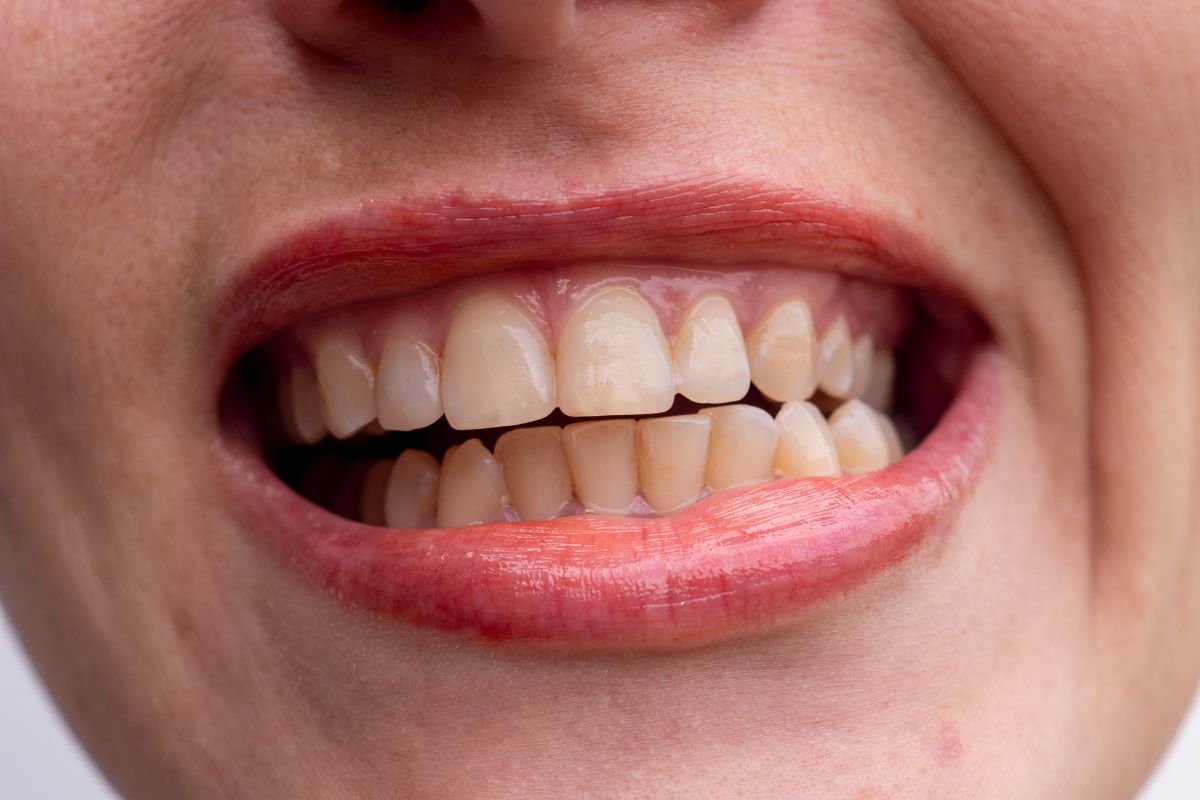
Yellowing teeth are a common concern for many people, often caused by everyday factors such as aging, diet, or lifestyle habits. For those living in Allentown, enjoying activities like Lights in the Parkway, a bright, confident smile is a vital part of your personality. However, when your teeth begin to lose their whiteness, it may lead you to wonder whether it’s just surface stains or something more serious.
In this blog, we’ll discuss the potential causes of yellow teeth, whether it’s a cosmetic issue or a sign of an underlying health problem, and explore options to restore your smile. Whether you’re attending the Blues, Brews, and BBQ or spending the day in the community, knowing what to do about yellowing teeth can help you maintain your smile and confidence.
Why Do Teeth Turn Yellow?
Teeth turn yellowish for various reasons, most commonly due to lifestyle habits and aging. Some of the leading causes include:
- Diet: Foods and drinks like coffee, red wine, tea, and berries can leave stains on the teeth over time.
- Tobacco Use: Both smoking and chewing tobacco can stain teeth and cause yellowing, as well as gum disease.
- Aging: As we age, enamel (the outer layer of the tooth) naturally thins, allowing the dentin underneath to show through, giving a yellowish appearance.
- Poor Oral Hygiene: Inadequate brushing and flossing allow plaque and tartar buildup, which can contribute to yellow teeth.
- Medications: Certain medications, especially antibiotics such as tetracycline, can cause staining, particularly when taken during tooth development.
Understanding what’s causing this stain is key to determining the best cosmetic dental treatment or other needed procedures.
Is Yellowing Teeth A Serious Health Issue?
For most people, stained teeth are not a sign of a severe underlying health problem.
Often, they are simply a cosmetic issue related to dietary habits, aging, or oral hygiene. However, if it is accompanied by other symptoms such as pain, swelling, or tooth sensitivity, it may indicate a more serious condition like tooth decay or gum disease.
In cases where the yellowing is caused by decay or infection, it is crucial to seek professional care. If left untreated, tooth decay can lead to severe issues like root infection or even tooth loss. Regular visits to a cosmetic dentist can help identify potential problems early.
Cosmetic Treatments To Restore Your Smile
If you are diagnosed that the stains on your teeth are purely cosmetic, there are several treatment options to restore your teeth’s natural brightness:
1. Whitening Toothpaste
Using a whitening toothpaste can help remove surface stains and improve the overall appearance of your smile. These toothpastes contain mild abrasives that scrub away stains and often contain bleaching agents that can lighten teeth.
2. In-Office Teeth Whitening
For a faster and more noticeable result, in-office teeth whitening is the most effective option. This procedure uses a powerful light-activated whitening gel to deliver dramatic results in just one visit. If you’re looking for a quick smile boost before a special event, this is an excellent option.
3. At-Home Whitening Kits
For those who prefer to whiten at their own pace, at-home whitening kits offer a more gradual improvement. These kits typically include custom trays or strips that you wear over time to remove stains and yellowing.
4. Veneers
If yellowing is persistent and doesn’t respond to whitening treatments, veneers can be used to cover the teeth’s surfaces, offering a brighter, more uniform smile. This is an ideal solution for those who want a more permanent fix.
How Can You Prevent My Teeth From Yellowing?
Maintaining a pearly white smile involves a combination of good habits and regular care. Here are a few tips to help prevent your teeth from turning yellow:
- Brush and Floss Regularly: Brushing your teeth at least twice a day and flossing daily removes plaque and prevents stains from setting in.
- Drink Water After Staining Foods: Rinse your mouth with water after drinking coffee, wine, or other staining beverages to prevent them from sticking to your teeth.
- Avoid Smoking or Tobacco Use: Quitting smoking or chewing tobacco can not only prevent staining but also improve your overall oral health.
- Visit Our Dental Office in Allentown: Regular oral cleanings and checkups with a trusted cosmetic dentist help prevent plaque buildup and ensure that any early signs of tooth decay are addressed before they become severe.
When Should You Seek Help From A Cosmetic Dentist?
If teeth darkening is affecting your confidence, or you notice signs of gum disease or tooth decay, it’s time to see a professional. A professional can assess your situation and recommend the best course of action, whether that’s teeth whitening or another cosmetic dental treatment. Early intervention ensures that your smile stays bright and healthy.
Restore Your Smile With Cosmetic Dentistry With Us
If you’re struggling with teeth turning yellow and feel self-conscious about your smile, our cosmetic dentist in Allentown offers a variety of solutions that can help restore your natural brightness. Whether you opt for professional whitening treatments or veneers, our team is here to provide the best cosmetic care tailored to your needs. Don’t let stained teeth impact your confidence. Visit Pellegrino Dentistry today for a consultation, and take the first step toward achieving the healthy, radiant smile you deserve. A brighter smile is just an appointment away!
Frequently Asked Questions (FAQs)
1. Can yellow teeth become white again?
Yes, yellow teeth can be whitened with treatments like whitening toothpaste, professional whitening treatments, or veneers. The best option depends on the severity of the discoloration and the underlying cause.
2. How do I stop my teeth from turning yellow?
To prevent yellow teeth, practice good oral hygiene by brushing and flossing regularly. Avoiding staining foods and smoking, and scheduling regular dental cleanings, can also help maintain a brighter smile.
3. What causes permanent yellowing of teeth?
Permanent yellowing of teeth can be caused by aging, genetics, medication, or excessive consumption of staining foods and drinks. Poor oral care habits can also contribute to long-term discoloration.
4. How long do teeth whitening results last?
The results of teeth whitening can last anywhere from 6 months to 2 years, depending on your lifestyle habits. Regular maintenance and avoiding staining foods will help prolong the results.
5. Is teeth whitening safe for sensitive teeth?
Teeth whitening can be safe for sensitive teeth if done correctly and under professional supervision. Special treatments and products designed for sensitive teeth can help reduce discomfort during the process.