CALL TO MAKE AN APPOINTMENT!
Does the idea of taking three separate days off work just to get a dental crown feel completely impossible? If so, you are not alone. People across the Lehigh Valley, from professionals commuting along Route 22 to parents managing school schedules and seniors with packed medical calendars, share one thing in common: their time is limited.
According to recent data, over 60% of American adults feel they are too busy to take care of everyday needs. Dental visits often get pushed to the bottom of the list because of that pressure.
But a damaged or decayed tooth cannot wait forever. Leaving it untreated leads to pain, infection, and higher treatment costs down the road. The good news is that Same-day crowns now make it possible to restore a broken tooth in a single appointment, no waiting weeks, no temporary restorations, and no second visit.
At our dental practice in Allentown, Dr. Jason Pellegrino offers CEREC technology so patients can walk in with a damaged tooth and walk out with a permanent, natural-looking crown, all in the same visit.
Dr. Pellegrino earned his DDS from the University of Medicine and Dentistry of New Jersey and completed his general practice residency at Lehigh Valley Hospital. With over 25 years of hands-on experience, he has built a reputation across the Allentown area for precise, patient-centered dental care. He is also an active member of the American Dental Association and the Pennsylvania Dental Association, and he previously served as President of the Lehigh Valley Dental Society.
Ready to restore your smile without the wait? Schedule your CEREC consultation at Pellegrino Dentistry today.
What Is CEREC Technology?
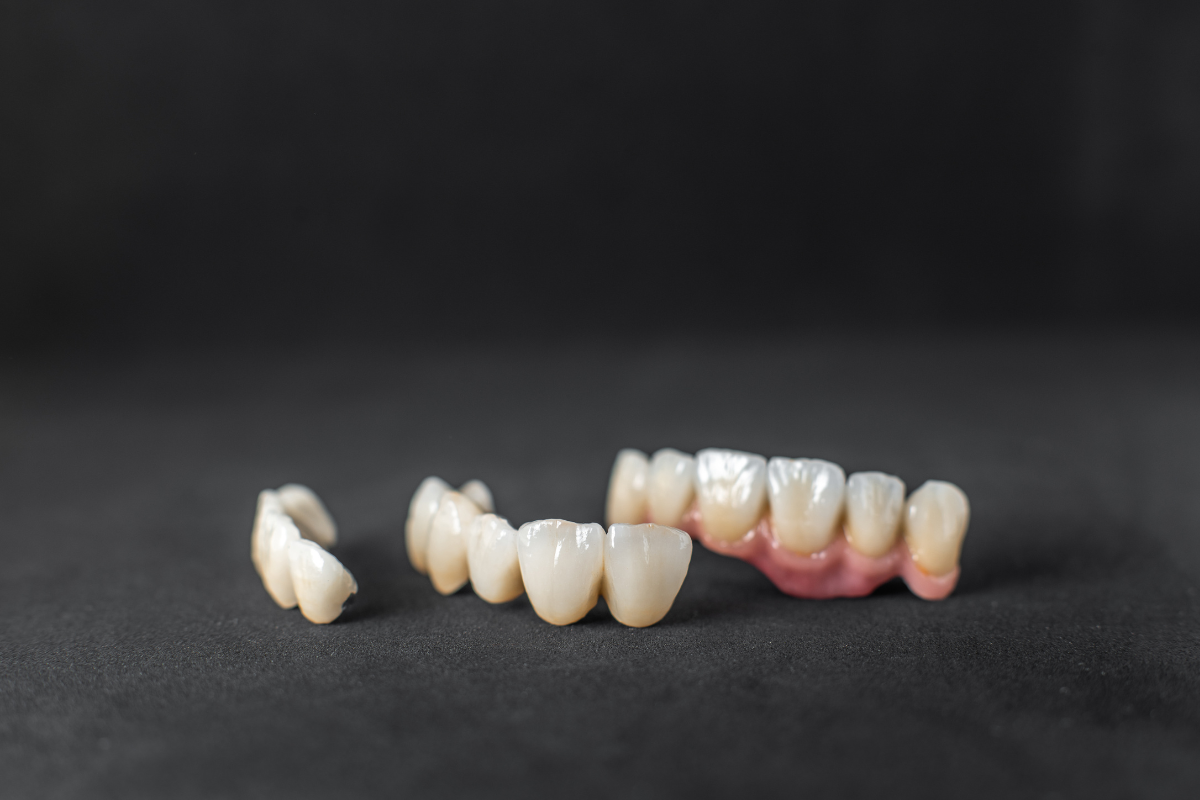
CEREC stands for Chairside Economical Restoration of Esthetic Ceramics. In plain terms, it is an advanced in-office system that designs, mills, and places a ceramic tooth crown, all while you sit in the dental chair. Traditional dental crowns require two separate appointments spread weeks apart, and an uncomfortable temporary crown in between. This technology eliminates all of this.
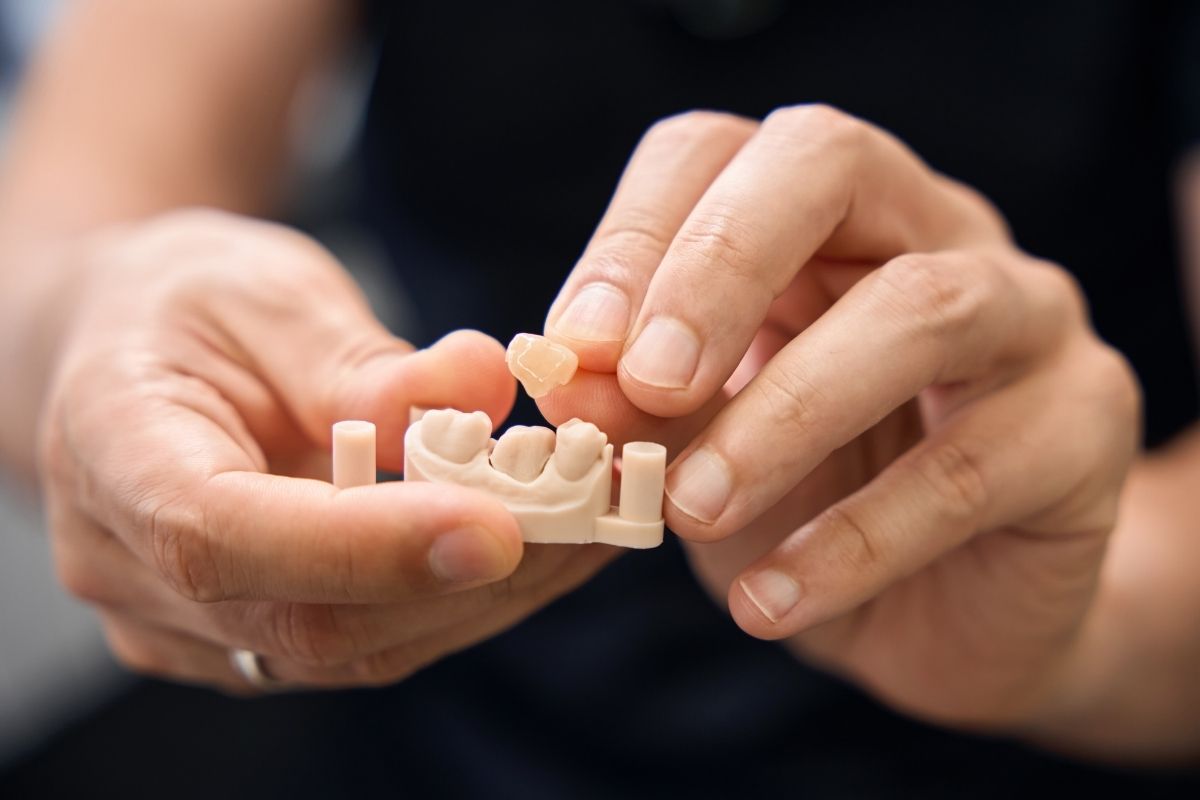
The technology uses a digital scanner, 3D computer-aided design software, and an in-office milling machine to produce a precisely fitted ceramic restoration in about an hour or two. Because the entire process happens chairside, there is no dental lab, no waiting period, and no extra trip back to the office.
How Does the One-Visit Crown Process Work?
Many patients wonder whether a crown can really be completed in a single appointment. At Pellegrino Dentistry, the answer is yes. Here is what the process looks like from start to finish:
• Tooth Preparation: your dentist will first remove any decay or old, failing fillings and shape the tooth to accept the new restoration. Local anesthesia keeps the process comfortable throughout.
• Digital Scanning: A small intraoral scanner captures a detailed 3D image of the prepared tooth and surrounding teeth. This replaces the old-fashioned putty impressions that many patients found messy and uncomfortable.
• Crown Design: The digital scan feeds directly into design software. Your dental practitioner shapes the crown to match the natural anatomy of your tooth, choosing a ceramic shade that blends with your surrounding teeth. Many patients can watch the design process right from the chair.
• In-Office Milling: Once the design is approved, a ceramic block is loaded into the milling machine. Within about 15 to 20 minutes, the machine carves the crown to precise specifications.
• Firing and Finishing: The milled crown goes into a dental furnace for glazing, which strengthens the ceramic and gives it a natural sheen. This step takes less than 30 minutes.
• Crown Placement: the dentist will check the fit, make any final adjustments, and permanently cement the crown in place. An X-ray confirms everything looks correct, and you are done.
From the first numbing injection to the final cement, most same-day crown appointments take one to two hours. You leave the office with a permanent crown, not a temporary one, already in place.
Who Is a Good Candidate for a CEREC Crown?
These dental restorations work well for a wide range of patients and situations. Dr. Pellegrino may recommend a single-visit ceramic crown when you have:
• A cracked or fractured tooth
• A tooth with severe decay that a filling cannot adequately repair
• A large, failing old filling that is breaking down
• A tooth that is worn down or irregularly shaped
• A tooth that recently received a root canal and needs protection
• Discoloration or cosmetic damage that a standard filling cannot fix
This technology suits teens, working adults, and seniors equally well. As the process does not require a temporary crown or a second appointment, it fits naturally into the busy schedules most Allentown residents live with every day.
CEREC Crowns vs. Traditional Dental Crowns: A Quick Comparison
Traditional dental crowns still produce excellent results, but the process takes considerably longer. Here is how the two approaches stack up:
• Number of visits: Same-day crowns require one visit; traditional crowns require two or more.
• Temporary crown: Single-day crown uses none; traditional crowns require one for two to three weeks.
• Impressions: CEREC uses a quick digital scan; traditional crowns use putty impressions.
•Material: Both use high-quality ceramic options; CEREC crowns use a single-block ceramic that reflects light like natural enamel.
• Longevity: With good oral hygiene, these same-day restorations last 15 years or longer.
Why CEREC Fits the Faster Lifestyle of Allentown Residents
Allentown is a city on the move. Between the Lehigh Valley’s growing business corridor, long commutes, family obligations, and the demands of everyday life, most residents simply cannot afford to sit through multiple dental appointments stretched weeks apart. A chipped or painful tooth demands attention, but so does your calendar.
That is exactly why single-visit tooth restorations have grown so popular. The CAD/CAM technology behind this system has been in clinical use for decades, and studies consistently show that same-day ceramic crowns perform on par with lab-made alternatives when placed by a qualified dentist.
Our dentist uses this technology with the kind of precision and care that patients across the Lehigh Valley have come to expect from his practice.
If a broken or decayed tooth has been on your mind, visit our dental office in Allentown and find out whether a CEREC restoration is the right option for you. The consultation is straightforward, and most patients leave that same day with the problem fully resolved.
Restore Your Smile Without Rearranging Your Life
A damaged tooth does not have to mean weeks of waiting, multiple missed work days, and the discomfort of wearing a temporary crown. At our dental office, Dr. Jason Pellegrino combines clinical expertise and CEREC technology to provide patients in Allentown and across the Lehigh Valley with a faster, more convenient path to a strong, healthy smile.
One appointment, no temporary crown, and no return visits. Just a precise, natural-looking ceramic restoration that fits your tooth and your schedule.
Call us to book an appointment at Pellegrino Dentistry. Whether you live in Allentown, Wescosville, Whitehall, or anywhere else in the Lehigh Valley, our team is ready to help you get your smile back, today.
Frequently Asked Questions
Q1: Can a tooth crown really be completed in a single visit?
Yes. With CEREC technology, the entire process, from tooth preparation and digital scanning to milling and cementation, occurs in a single appointment. Most patients are in and out within one to two hours. Talk to your dentist to confirm whether a single-visit restoration is appropriate for your specific situation.
Q2: Are CEREC crowns as strong and durable as traditional ones?
CEREC ceramic crowns are milled from a single solid block of high-quality ceramic, which makes them strong and resistant to wear. With proper care, they can last 15 years or more. Your dentist can walk you through the material options and what to expect from long-term durability.
Q3: Is the CEREC crown procedure painful?
The procedure involves local anesthesia, so you should not feel pain during the appointment. Some mild sensitivity after placement is normal and usually resolves quickly. If you have concerns about comfort, your dentist can discuss sedation options before the appointment.
Q4: Do I need to do anything special to care for a CEREC crown?
Care for a CEREC crown the same way you care for your natural teeth: brush twice daily, floss regularly, and avoid biting down on very hard foods. Your dentist will give you personalized care instructions at your appointment to help the restoration last as long as possible.
Q5: Is everyone a good candidate for a single-visit crown?
Most patients with a cracked, decayed, or damaged tooth are good candidates. The best way to find out is through a dental examination. Your dentist will review the condition of the tooth and let you know whether a CEREC restoration or another treatment option is the right fit.
Q6: Does insurance cover CEREC crowns?
Many dental insurance plans cover CEREC crowns at the same rate as traditional crowns because they serve the same restorative function. Coverage varies by plan, so your dental office can verify your benefits before the appointment and explain any out-of-pocket costs upfront.
Q7: What happens if I delay treatment for a cracked or decayed tooth?
Delaying treatment for a damaged tooth can lead to worsening decay, infection, and potentially the need for more complex procedures such as a root canal or extraction. Getting a crown placed promptly protects the tooth and prevents costlier problems later. Your dentist can assess the urgency at your next visit.
Q8: How long after getting a CEREC crown can I eat normally?
Most patients can eat normally within a few hours once the anesthesia wears off. Your dentist may advise you to avoid hard or sticky foods for the first day or two while the cement fully sets. Follow your dentist’s specific post-placement guidance for the best results.