CALL TO MAKE AN APPOINTMENT!
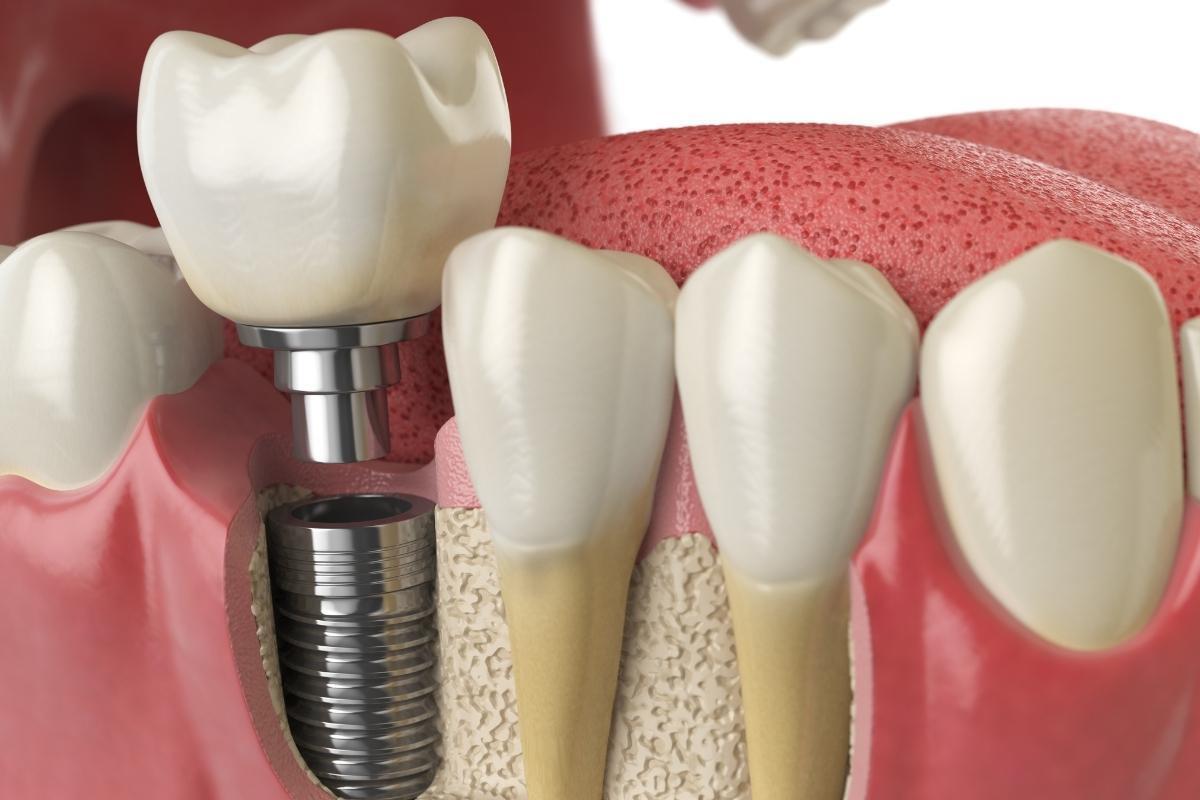
What you eat after dental implant surgery can make recovery more comfortable and support healing. During the first few days, focus on soft foods that require little chewing, such as yogurt, mashed potatoes, scrambled eggs, oatmeal, applesauce, smoothies, and blended soups. As your mouth heals, you can gradually return to foods with more texture. Avoid hard, crunchy, sticky, spicy, and very hot foods that may irritate the surgical area.
A good recovery diet does not have to be complicated. Choose nutritious foods that are gentle on your mouth while providing protein, vitamins, minerals, and enough fluids.
Why Your Diet Matters After Implant Surgery
After an implant is placed, the gums and surrounding bone need time to heal. Chewing directly on the treatment area can cause discomfort and put unnecessary pressure on healing tissues.
Some foods can also leave particles around the surgical site, while hard or sharp foods may irritate the gums.
Following your dentist’s dietary instructions can help protect the area while you recover. If you want to learn more about the procedure and recovery process, information about dental implant surgery can help you understand what to expect.
What to Eat During the First 24 Hours
Your mouth may feel tender or numb during the first day. Choose foods that are soft, smooth, and easy to swallow.
Yogurt
Greek or plain yogurt provides protein and requires little chewing. Avoid varieties with nuts, seeds, granola, or crunchy toppings.
Applesauce
Applesauce has a smooth texture and can be easy to eat when your mouth feels sensitive.
Mashed Potatoes
Mashed potatoes provide energy without requiring much chewing. Allow them to cool before eating.
Smoothies
Smoothies can combine fruits, vegetables, yogurt, and other nutritious ingredients. Drink them from a cup rather than using a straw unless your dentist recommends otherwise.
Scrambled Eggs
Soft scrambled eggs provide protein and are generally easy to chew.
Blended Soups
Smooth soups can provide fluids and nutrients. Make sure they are warm rather than very hot.
Soft Foods for the First Week
As tenderness decreases, you can gradually add other soft foods. Your dentist may recommend a specific timeline based on your procedure and healing.
Good options include:
• Oatmeal
• Cottage cheese
• Avocado
• Hummus
• Soft pasta
• Macaroni and cheese
• Beans and lentils
• Soft cooked vegetables
• Soft fish
• Tender shredded chicken
• Rice
• Ripe bananas
• Soft cooked fruit
Try to include different food groups instead of relying on the same foods every day. Protein, fruits, vegetables, grains, and dairy products can help you maintain balanced nutrition during recovery.
Include Protein in Your Diet
Protein supports tissue repair, making it an important part of your recovery diet.
Soft protein sources include eggs, Greek yogurt, cottage cheese, beans, lentils, tofu, soft fish, and tender shredded chicken. If meat feels difficult to chew, choose softer protein sources until your mouth feels comfortable.
Stay Hydrated
Drink plenty of water throughout the day. Avoid very hot drinks during the early healing period.
It is also best to avoid alcohol unless your dental professional specifically says it is safe, especially if you are taking prescribed medication.
Foods to Avoid After Implant Surgery
Certain foods can irritate the surgical area or make chewing uncomfortable.
Hard and Crunchy Foods
Avoid chips, popcorn, nuts, hard crackers, and raw crunchy vegetables. Small pieces can become trapped around the treatment area.
Sticky Foods
Caramel, taffy, gummy candy, and similar foods can be difficult to clean away and may put pressure on sensitive tissues.
Spicy Foods
Spicy foods may irritate healing gum tissue and cause discomfort. Wait until the area has recovered before returning to them.
Very Hot Foods and Drinks
Hot soup, coffee, tea, and other heated foods can irritate the surgical area. Allow them to cool before consuming them.
Tough and Chewy Foods
Steak, jerky, chewy bread, and similar foods require more chewing and may place unnecessary pressure on the healing area.
Foods With Small Seeds or Particles
Small seeds and hard particles can become lodged around the surgical site. Be cautious with seeded breads, some berries, and granola.
Can You Drink Coffee After Implant Surgery?
You may need to avoid hot coffee during the early recovery period. Heat can irritate the treatment area, so allow coffee to cool before drinking it.
Your dentist may recommend waiting before returning to your usual coffee routine. Follow the instructions provided after your procedure.
When Can You Return to a Normal Diet?
There is no universal timeline. Your return to regular foods depends on your procedure, implant location, healing progress, and dentist’s recommendations.
As chewing becomes comfortable, gradually introduce foods with more texture. Continue avoiding hard or chewy foods until your dental professional confirms that it is safe.
Even when discomfort decreases, the tissues may still be healing, so avoid rushing the transition.
Tips for Eating During Recovery
A few simple habits can make meals easier:
• Eat smaller meals if your mouth feels uncomfortable.
• Cut food into smaller pieces.
• Chew away from the surgical area when possible.
• Include protein with your meals.
• Drink water regularly.
• Avoid foods that leave sharp or small particles behind.
• Follow your dentist’s instructions for cleaning your mouth after eating.
• Do not return to hard foods until you are cleared to do so.
When Should You Contact Your Dentist?
Some soreness and swelling can occur after implant surgery. Contact your dental professional if symptoms become severe, persist longer than expected, or worsen instead of improving.
You should also seek professional advice if you experience significant bleeding, increasing swelling, fever, drainage, severe pain, or difficulty eating and drinking.
Get Helpful Guidance for Your Recovery
A soft, nutritious diet can make the early days after implant treatment easier. Focus on foods that are easy to chew, stay hydrated, and gradually return to your usual diet as healing progresses.
For personalized guidance about implant recovery and oral care, Pellegrino Dentistry can help you understand what to expect and how to care for your mouth after treatment. Pellegrino serves patients in Allentown with personalized dental care and practical guidance.
Visit our dental clinic to discuss your dental implant needs and receive guidance based on your individual treatment.