CALL TO MAKE AN APPOINTMENT!
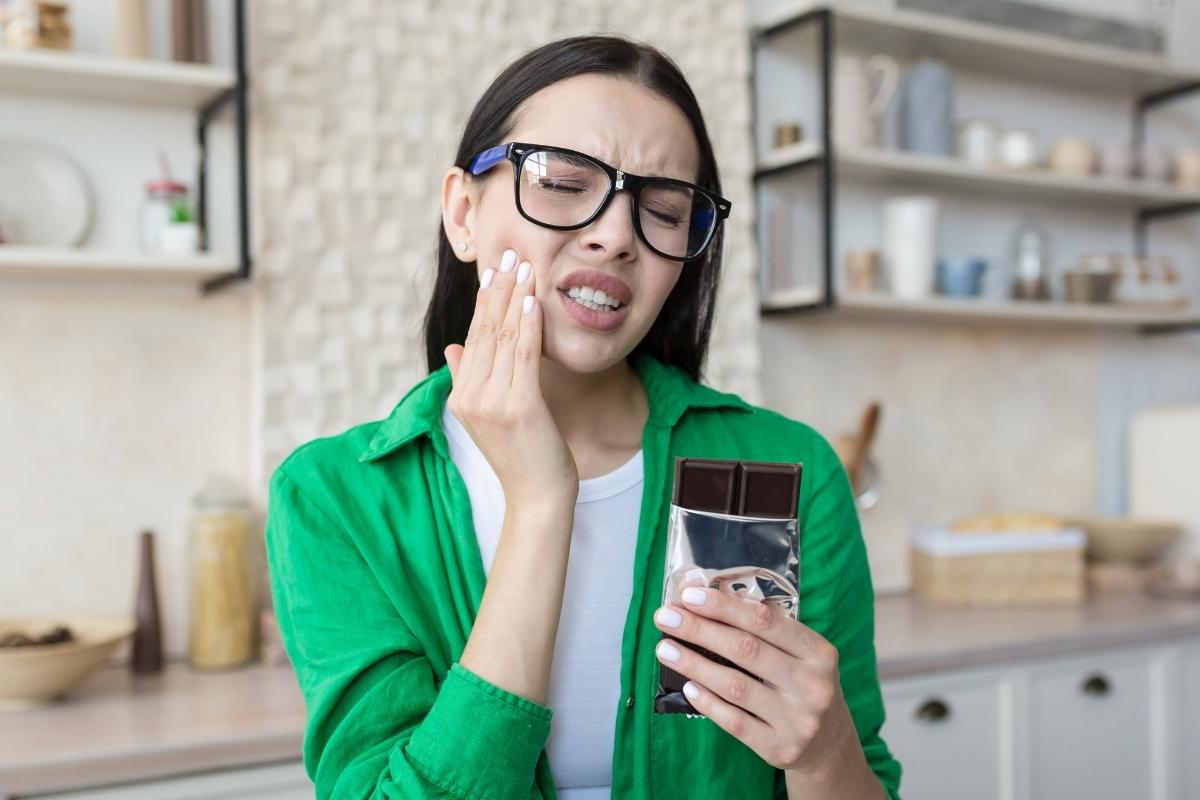
If you have recently scheduled dental implant surgery or are already in recovery, you may have heard one piece of advice that sounds surprising. Skip dairy for a while. Milk, cheese, and yogurt feel soft and comforting, so why avoid them when your mouth is healing? The answer has everything to do with how your body responds right after treatment and what helps implants heal properly.
Below is a clear, patient-focused explanation of why dentists often recommend taking a short break from dairy and what to eat instead.
How Your Mouth Heals After Implant Placement
Dental implants rely on your body’s natural healing process. The implant needs time to integrate with the jawbone while the surrounding gum tissue settles and closes properly. During the first few days, the area is sensitive, swollen, and more vulnerable to irritation or infection.
What you eat during this phase matters more than most people realize. Certain foods support healing, while others can slow things down.
Why Dairy Can Interfere With Early Healing
Increased Risk of Bacterial Growth
Many dairy products contain natural sugars and proteins that bacteria love. When dairy coats the mouth, it can create a film that encourages bacterial growth around the surgical site. This is not ideal when your gums are trying to heal cleanly.
Thick Texture That Clings to Surgical Areas
Milk-based foods can leave a residue that can stick to implant sites. That residue is harder to rinse away gently, especially when brushing is limited right after Dental Implant Treatment. Any buildup near stitches or healing gums can raise the risk of irritation.
Possible Inflammation for Some Patients
Not everyone reacts the same way to dairy. For some people, dairy triggers mild inflammation or mucus production. Even small increases in inflammation can slow healing during the early recovery window.
The Connection Between Dairy and Antibiotics
After implant placement, dentists often prescribe antibiotics to prevent infection. Dairy products can interfere with the absorption of certain antibiotics. When that happens, the medication may not work as effectively, potentially compromising healing.
Spacing dairy away from medications or avoiding it entirely for a few days helps ensure your prescriptions do their job.
How Long Should You Avoid Dairy?
For most patients, the restriction is temporary. Dentists commonly recommend avoiding dairy for 48 to 72 hours after implant placement. Some may suggest waiting a bit longer, depending on your healing progress and medical history.
Always follow your dentist’s specific instructions, since recovery can vary from person to person.
What to Eat Instead During Recovery
Choosing the right foods helps your body heal faster and keeps you comfortable.
Good dairy-free options include
- Warm soups that are smooth and not spicy
- Mashed vegetables or soft-cooked grains
- Scrambled eggs or soft plant-based proteins
- Smoothies made with almond milk or oat milk
- Applesauce or blended fruits
These foods are gentle on healing tissue and provide nutrients without further irritating it.
When Can Dairy Be Reintroduced?
Once swelling goes down and your dentist gives the green light, dairy can usually be added back slowly. Start with small amounts and pay attention to how your mouth feels. If you notice discomfort or irritation, pause and check in with your dental provider.
Get Implant Recovery Support in Allentown, PA
Your smile deserves careful attention after implant treatment. Visit our dental office in Allentown, PA, to get clear post-treatment guidance, personalized care, and answers you can trust. At Pellegrino Dentistry, we are here to help you heal comfortably and confidently every step of the way.
Quick Answers Patients Often Ask
Can I have dairy after the first few days?
Yes. Once your dentist confirms healing is on track, dairy can usually be reintroduced gradually.
Is yogurt safer than milk after implant surgery?
Not during the first few days. Even yogurt can leave residue and increase bacterial activity near the implant.
What happens if I accidentally have dairy too soon?
A small amount is unlikely to cause serious harm, but rinse gently and avoid repeating it. Let your dentist know if discomfort follows.
Does this apply to all dental implant patients?
Most patients benefit from avoiding dairy temporarily, but individual medical factors may alter recommendations.