CALL TO MAKE AN APPOINTMENT!
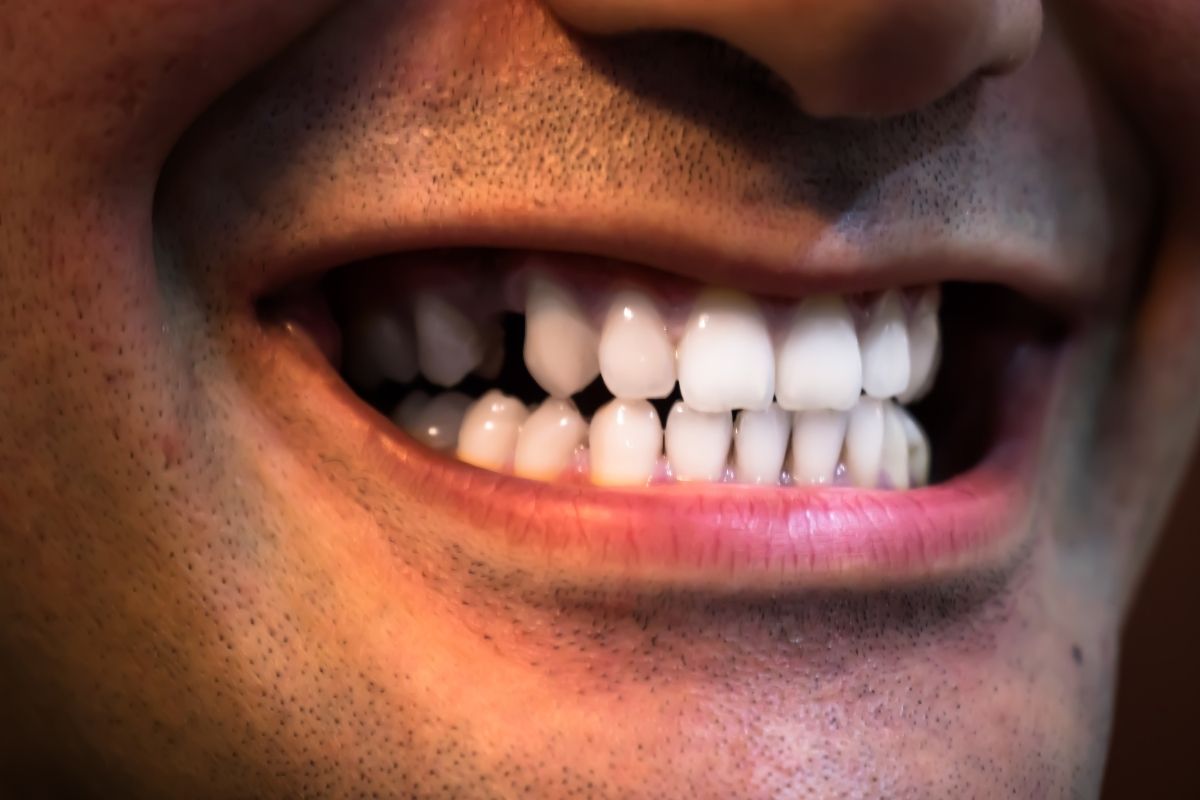
Losing a tooth might seem like a small issue at first, especially if it’s not visible when you smile. But leaving a missing tooth untreated can set off a series of dental and health problems that go far beyond appearance. Many people don’t realize that a single gap in your mouth can impact chewing, speech, jaw health, and even your confidence — and the longer you wait, the more those problems tend to compound.
Teeth Can Shift Out of Place
When a tooth is missing, the surrounding teeth often begin to drift toward the empty space. This movement can start within just a few weeks of losing a tooth, and it accelerates the longer the gap is left untreated. Over time, this shifting can change your bite and put uneven pressure on your teeth. Misaligned teeth can lead to premature wear, jaw discomfort, and even difficulty chewing properly. Acting quickly to replace a missing tooth helps prevent these ripple effects.
Bone Loss and Facial Changes
Your jawbone depends on the stimulation from tooth roots to remain strong. Without a tooth, the bone in that area gradually begins to shrink — a process called bone resorption — and it can begin within just a few months of tooth loss. Left long enough, this can alter the shape of your face, sometimes creating a sunken look around your mouth. Bone loss also complicates future dental treatments, making procedures like dental implants more involved (and often more expensive) if delayed, sometimes requiring a bone graft before an implant can be placed.
Certain factors can speed up bone loss and other complications, including smoking, osteoporosis, poor oral hygiene, and age. If you fall into one of these categories, it’s worth being especially proactive about replacing a missing tooth.
Increased Risk of Gum Problems
Gaps from missing teeth are prone to plaque buildup, which can increase your chances of gum disease. When bacteria accumulate in these spaces, it may lead to inflamed gums, infections, or decay in neighboring teeth. Good oral hygiene helps, but professional dental care is essential to prevent long-term complications.
Trouble Eating and Speaking
A missing tooth can make chewing difficult, causing you to favor one side of your mouth. Over time, this puts extra strain on your jaw muscles and can affect digestion if foods aren’t broken down properly. Missing teeth can also impact your speech, especially if the gap is in the front of your mouth. Words may sound different, which can affect confidence in conversations.
When more than one tooth is missing, these effects compound quickly — chewing becomes harder to manage, shifting affects more of the bite at once, and bone loss can occur in multiple areas of the jaw simultaneously. Multiple gaps are rarely just “more of the same problem”; they tend to accelerate each other.
The Emotional Impact
Missing teeth can also influence self-esteem and social interactions. Many people feel self-conscious about their smile — some find themselves covering their mouth when they laugh, avoiding photos, or steering clear of social situations altogether, even if they never say so out loud. This can affect both professional and personal relationships. Replacing missing teeth can restore confidence, making it easier to smile, speak, and engage comfortably with others.
The Cost of Waiting
It’s tempting to put off treatment, especially if a missing tooth isn’t causing pain. But delaying treatment often costs more in the long run, not less. What could have been a straightforward tooth replacement can turn into a more complex (and expensive) treatment plan if you wait: bone grafting to rebuild lost jawbone, orthodontic work to correct teeth that have shifted, or treatment for gum disease that developed in the gap. Addressing a missing tooth early is often simpler, faster, and more affordable than treating the complications that follow.
Your Replacement Options
Modern dentistry offers several effective ways to replace missing teeth, each with different trade-offs:
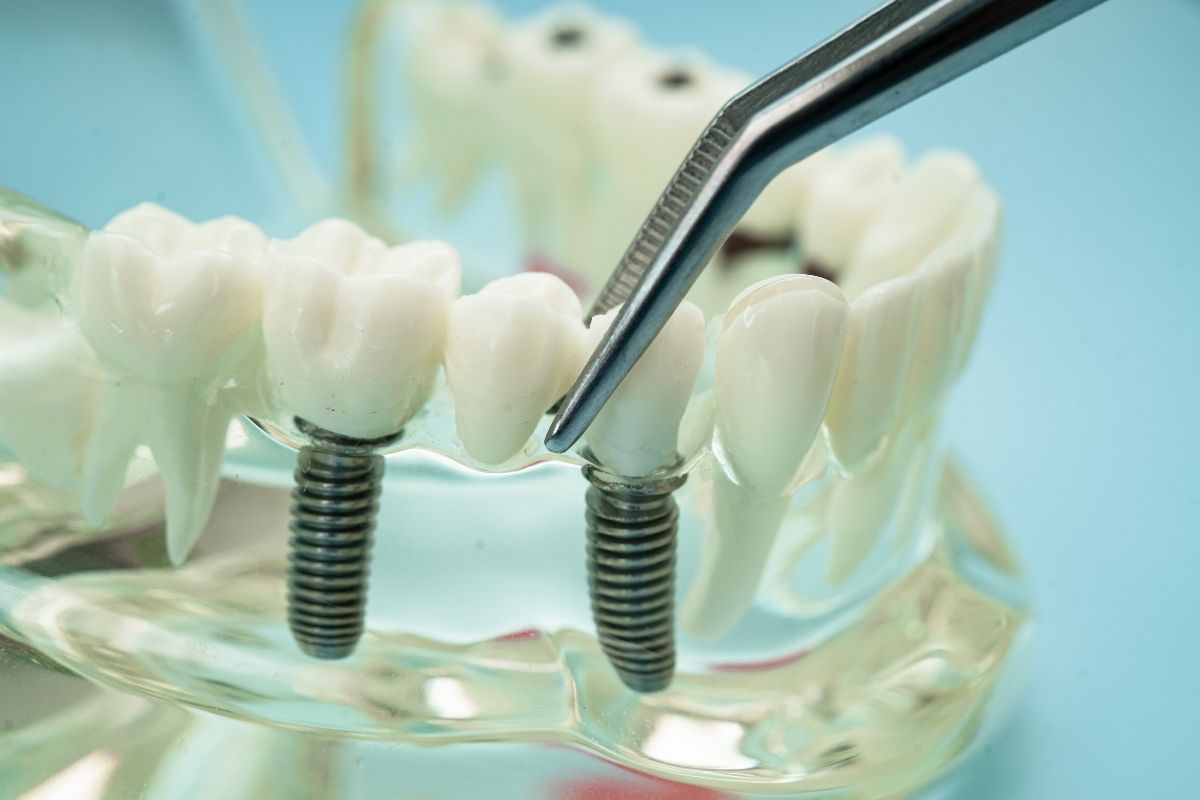
- Dental implants — A permanent, standalone solution that looks and functions like a natural tooth. Implants also stimulate the jawbone, helping prevent the bone loss described above. They involve a more invasive procedure and a longer treatment timeline, and tend to cost more upfront, but often deliver the best long-term value and durability.
- Dental bridges — A fixed option that uses the neighboring teeth as anchors to “bridge” the gap. Bridges are typically faster and less expensive than implants, but they don’t prevent bone loss in the missing tooth’s socket and may require altering the adjacent teeth.
- Partial dentures — A removable option that replaces one or more missing teeth. Dentures are generally the most affordable and least invasive choice, though they require more maintenance and don’t offer the same stability or bone-preserving benefits as implants.
The right option depends on your oral health, budget, and how many teeth need replacing — a dentist can help you weigh these factors.
Key Takeaways
- Shifting teeth: Surrounding teeth move into empty spaces, sometimes within weeks, affecting bite and alignment.
- Bone loss: Jawbone shrinkage can begin within months, potentially altering facial structure.
- Gum health: Increased risk of plaque buildup and gum disease.
- Functional issues: Chewing and speaking may become harder.
- Confidence: Missing teeth can impact self-esteem and social interactions.
- Cost: Delaying treatment often increases the complexity and expense of care later on.
Missing teeth aren’t just a cosmetic concern — they can have long-term effects on your oral health and overall well-being. Addressing the problem early helps maintain a healthy, confident smile.
Restore Your Smile with Pellegrino Dentistry
Don’t wait until complications arise. Visit our dental clinic in Allentown, PA, to explore options for replacing missing teeth. Our team at Pellegrino Dentistry can help you restore both function and confidence with modern, reliable treatments. Schedule a free consultation today to find the right solution for your smile.
Frequently Asked Questions
How long can I wait to replace a missing tooth?
There’s no universal timeline, but the risks of shifting, bone loss, and gum problems increase the longer a gap goes untreated. Many dentists recommend addressing a missing tooth within a few months of losing it.
Does insurance cover dental implants?
Coverage varies widely by provider and plan. Some insurance plans cover a portion of implant costs, while others treat them as elective. It’s worth checking with your insurance provider and your dental office directly.
Is it too late to get an implant if I’ve had a missing tooth for years?
Not necessarily. If significant bone loss has occurred, a bone graft can often rebuild enough bone to support an implant. It typically adds time and cost to treatment, but it’s usually still an option.