CALL TO MAKE AN APPOINTMENT!
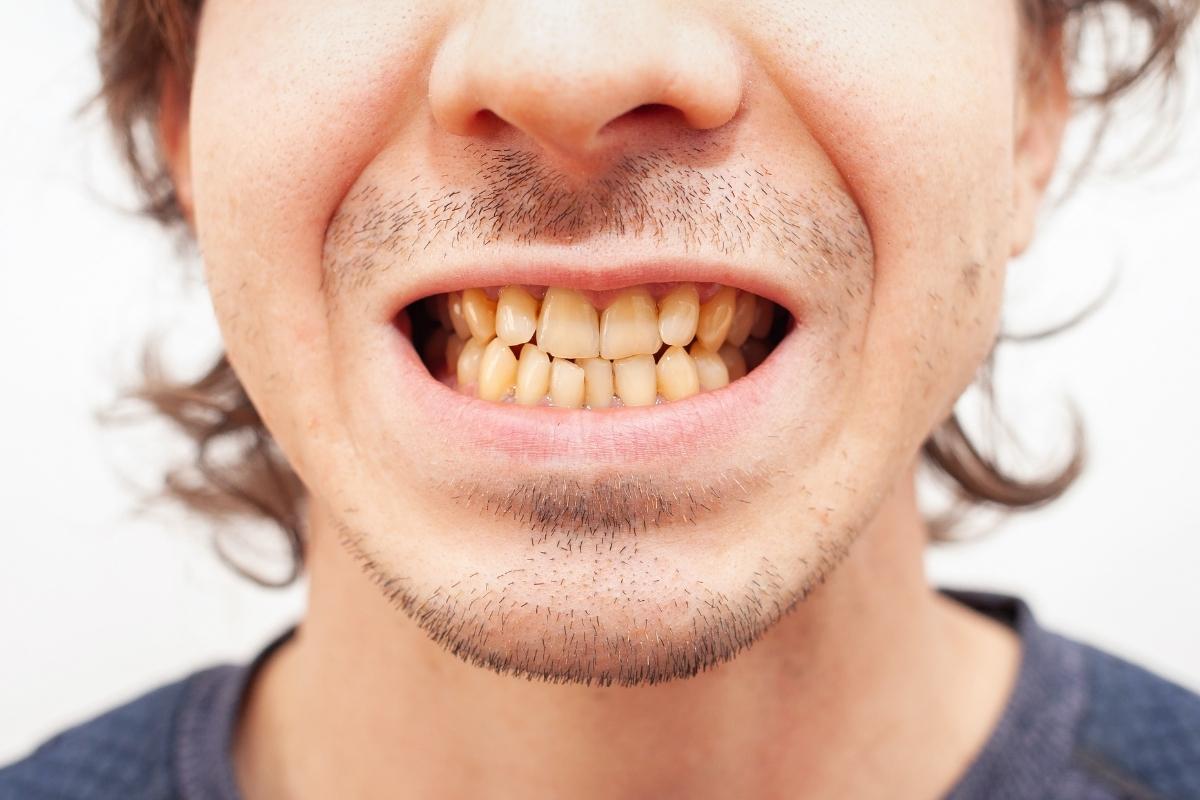
When you think of stained teeth, coffee, red wine, and maybe even tea probably come to mind first. While these are indeed common culprits, the story of tooth discoloration is more complex than just what you sip. Many factors—some obvious, others surprising—can subtly affect the brightness of your smile over time.
1. Aging and Natural Enamel Wear
As we age, our enamel—the hard, outer layer of our teeth—naturally wears down. This thinning exposes the dentin underneath, which is more yellow or darker in tone. Even if you’ve avoided staining foods and drinks your entire life, natural aging can gradually change the shade of your teeth.
2. Medications That Impact Tooth Color
Several prescription and over-the-counter medications can alter the color of your teeth. Common examples include certain antibiotics like tetracycline when taken during childhood, antihistamines, and high blood pressure medications. The chemical interactions from these medications can cause teeth to appear dull, gray, or even brown over time.
3. Trauma and Dental Injuries
A knock to the mouth or injury to a tooth can trigger discoloration. When the inner tissue of a tooth (the pulp) is damaged, it may darken or take on a grayish hue. Often, this change is gradual, which is why many people don’t immediately connect a past injury to the shade of their teeth.
4. Excessive Fluoride or Fluorosis
Fluoride is essential for strong teeth, but too much exposure during the early developmental stages of teeth can lead to fluorosis. This condition often results in white streaks or brown spots on enamel. While mild cases are mostly cosmetic, severe fluorosis can make teeth appear significantly discolored.
5. Lifestyle and Dietary Patterns Beyond Coffee
Other lifestyle choices can influence tooth color as well. Dark-colored sodas, sports drinks, and even certain berries and sauces can slowly stain teeth with regular consumption. Smoking or using tobacco products is another major factor, leaving persistent yellow or brown marks that are difficult to remove with simple brushing.
6. Genetics and Natural Tooth Color
Not all discoloration comes from external factors. Genetics plays a role in both the thickness of your enamel and the natural hue of your dentin. Some people naturally have teeth that appear more yellow, gray, or even slightly blue. Understanding your baseline tooth color can help you set realistic expectations for whitening or cosmetic treatments.
7. Health Conditions That Reflect in Tooth Color
Certain systemic conditions can also show up as tooth discoloration. For example, conditions affecting liver or kidney function, or even some metabolic disorders, can subtly alter enamel appearance. That’s why changes in tooth color that happen quickly or unevenly should always be checked by a dentist.
Professional Teeth Whitening Treatment Can Help
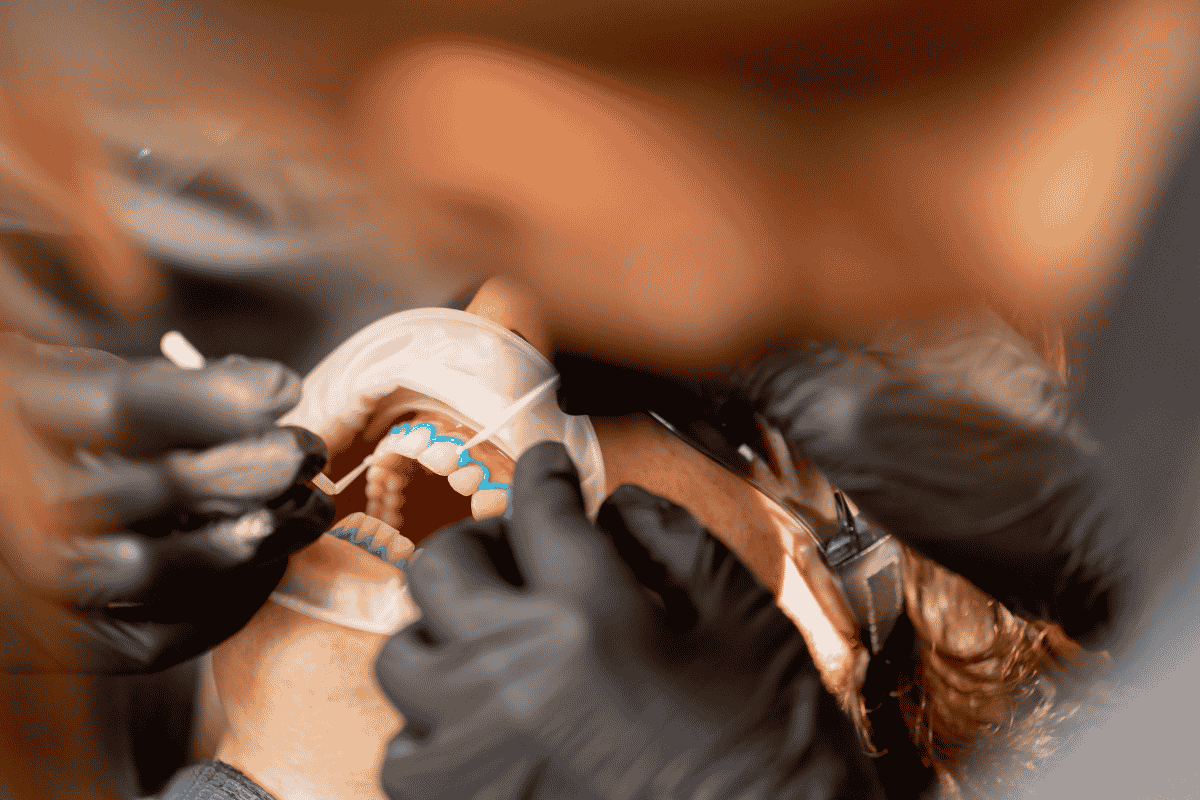
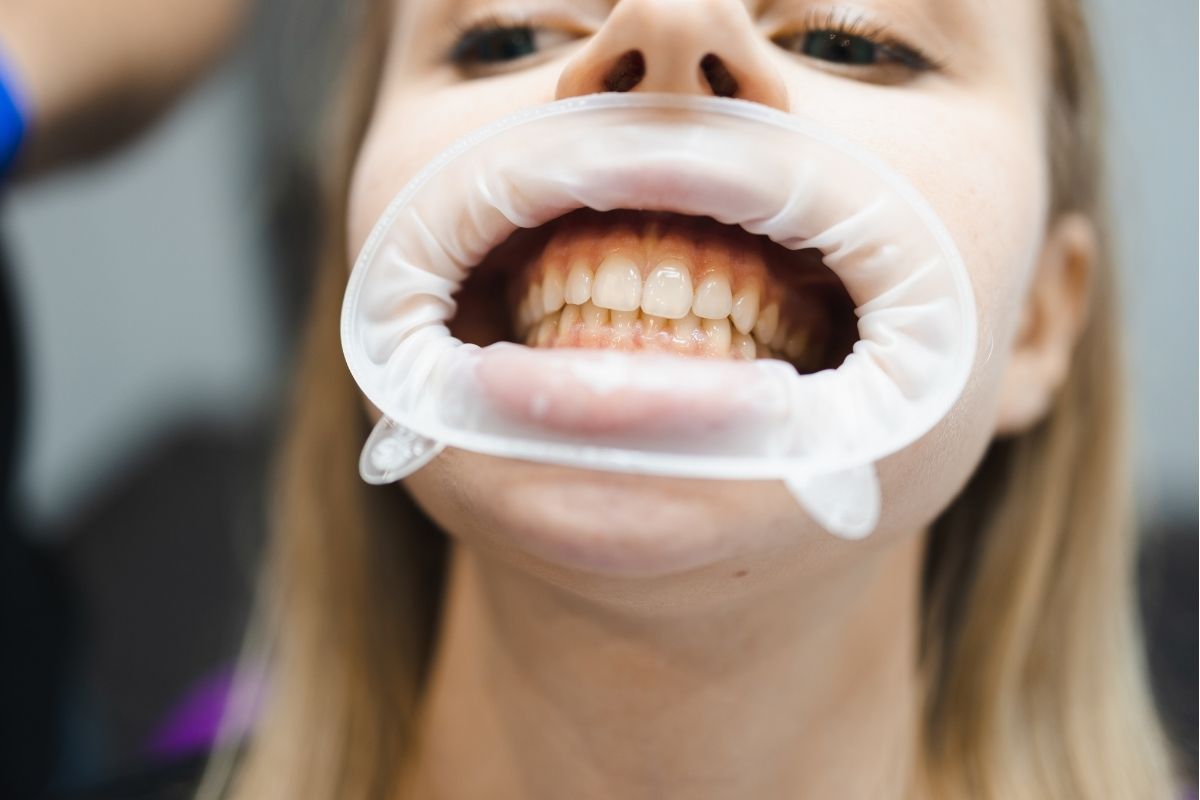
While there are many at-home whitening options available, a professional teeth whitening treatment performed by a dental professional ensures safe and predictable results. It targets stains more deeply, avoids uneven whitening, and helps maintain a bright smile without damaging enamel.
Protect Your Smile: Tips to Maintain Natural Brightness
- Brush twice daily with a fluoride toothpaste and floss regularly.
- Limit prolonged exposure to dark-colored beverages and acidic foods.
- Consider using a straw for coffee, tea, or soda to minimize contact with teeth.
- Avoid smoking or using tobacco products.
- Schedule regular dental cleanings to remove surface stains and monitor oral health.
Brighten Your Smile with Pellegrino Dentistry
Your smile deserves attention beyond daily brushing. At Pellegrino Dentistry, we help patients uncover the causes of tooth stains and restore confidence with safe, effective treatments. Whether it’s professional whitening or a personalized plan to prevent future discoloration, our team is here to guide you.
Discover Your Brighter Smile Today! Visit our dental clinic in Allentown, PA, and let Pellegrino Dentistry help you shine with a smile you’ll love showing off.