CALL TO MAKE AN APPOINTMENT!
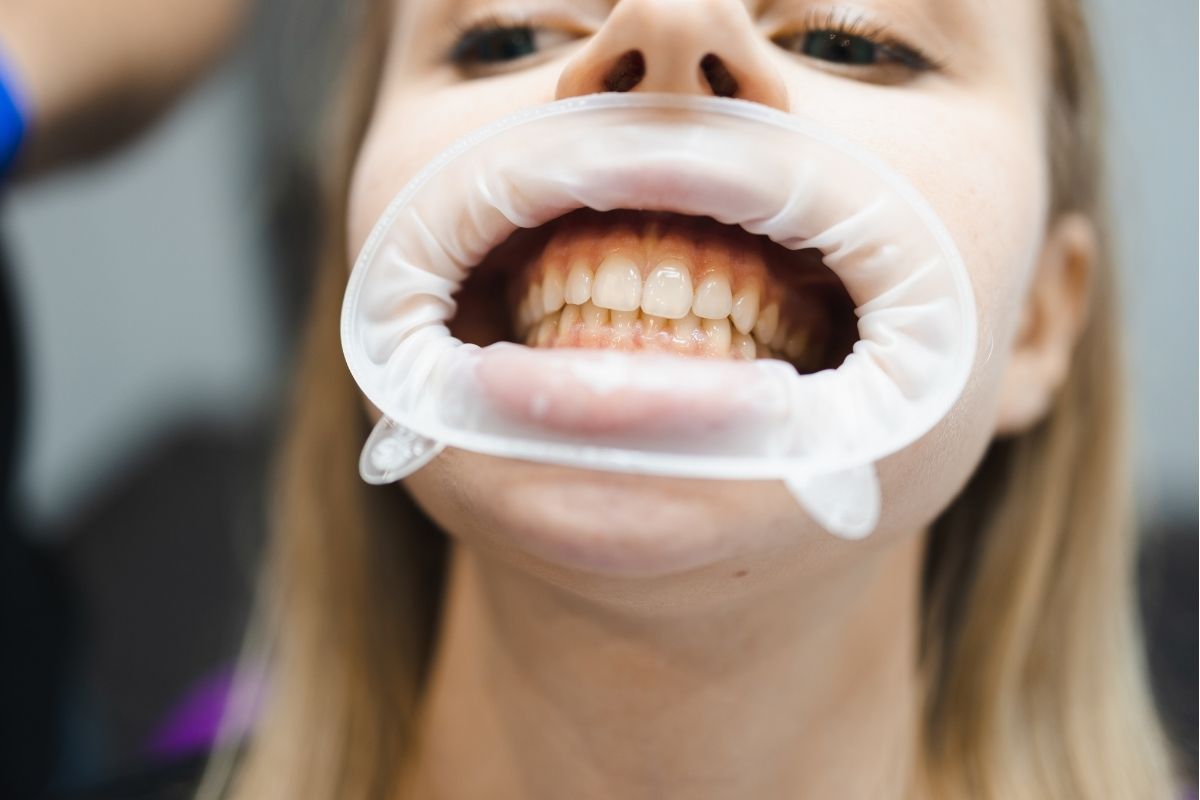
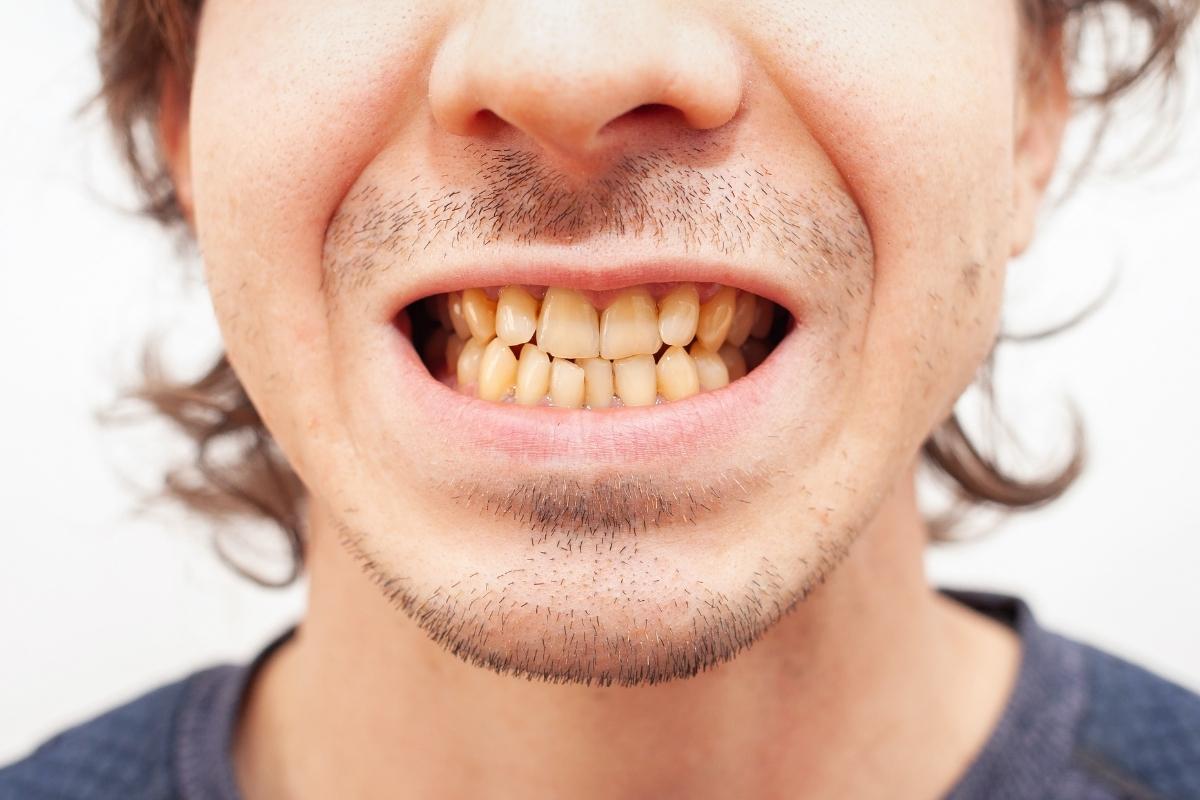
Have you ever looked in the mirror and noticed your once-bright smile looking a little dull or yellowed? It’s a common concern, and the truth is, teeth discoloration happens to nearly everyone at some point in life. Understanding why your teeth turn yellow can help you take steps to maintain a healthier, brighter smile.
What Causes Teeth to Yellow?
Teeth aren’t naturally pure white. The outer layer, called enamel, is actually translucent. Beneath it lies dentin, a naturally yellowish layer. Over time, various factors can make the yellow dentin show through more prominently, or even stain the enamel itself. Here are some of the main reasons teeth tend to yellow:
1. Aging
As we age, enamel gradually wears down, revealing more of the yellow dentin beneath. This natural process makes discoloration more noticeable over the years.
2. Diet and Beverages
Foods and drinks rich in pigments can stain enamel. Coffee, tea, red wine, berries, and sauces like soy or tomato can all contribute to yellowing. The darker the color and the more often you consume it, the stronger the impact on your teeth.
3. Tobacco Use
Smoking or chewing tobacco can accelerate staining and make teeth appear yellow or even brown over time. Nicotine and tar cling to enamel, leading to long-lasting discoloration.
4. Poor Oral Hygiene
Inadequate brushing, flossing, or rinsing can allow plaque and tartar to build up. Over time, this not only affects dental health but also makes teeth appear dull or yellow.
5. Medications
Certain medications, especially antibiotics like tetracycline, taken during childhood, can affect tooth color. Some antihistamines, blood pressure medications, and chemotherapy drugs can also contribute to discoloration.
6. Genetics
Believe it or not, your genes play a role too. Some people naturally have thinner enamel or slightly yellower dentin, making their teeth appear more yellow even with excellent dental care.
7. Environmental Factors
Excessive fluoride, either from water or dental products, can cause a condition called fluorosis, which may discolor teeth. Trauma to a tooth can also change its color over time.
How to Keep Your Smile Bright
While some yellowing is inevitable, there are ways to maintain a vibrant smile:
- Brush twice a day with fluoride toothpaste and use a soft-bristled toothbrush to avoid wearing down enamel.
- Floss daily to prevent plaque buildup between teeth.
- Limit foods and drinks that stain teeth, and rinse your mouth with water afterward.
- Consider professional teeth-whitening treatments at your dental clinic, designed to safely and effectively enhance your smile.
- Stay consistent with regular dental check-ups to catch early discoloration and maintain overall oral health.
When to See a Dentist About Yellow Teeth
While mild yellowing is often just a cosmetic and cosmetic-only concern, certain signs mean it’s time to schedule a dental visit rather than reach for another whitening product:
- Sudden or uneven discoloration — if one tooth darkens while others stay the same, it could indicate nerve damage or an old injury.
- Yellowing accompanied by pain or sensitivity — this may point to enamel erosion or decay beneath the surface.
- Discoloration in children’s teeth — especially if it appears early, as it could be linked to enamel development issues or medication use.
- No improvement after consistent oral care — if brushing, flossing, and over-the-counter products aren’t making a difference, the cause may be intrinsic and require professional treatment.
- Yellowing paired with bad breath or visible plaque/tartar — this combination often signals a buildup that needs professional cleaning, not just whitening.
A dentist can pinpoint whether your discoloration is purely cosmetic or a symptom of something that needs treatment, so you’re not just masking a deeper issue.
Professional Whitening Options Explained
Not all whitening treatments are the same, and the right choice depends on your budget, timeline, and how deep the discoloration goes.
In-Office Whitening
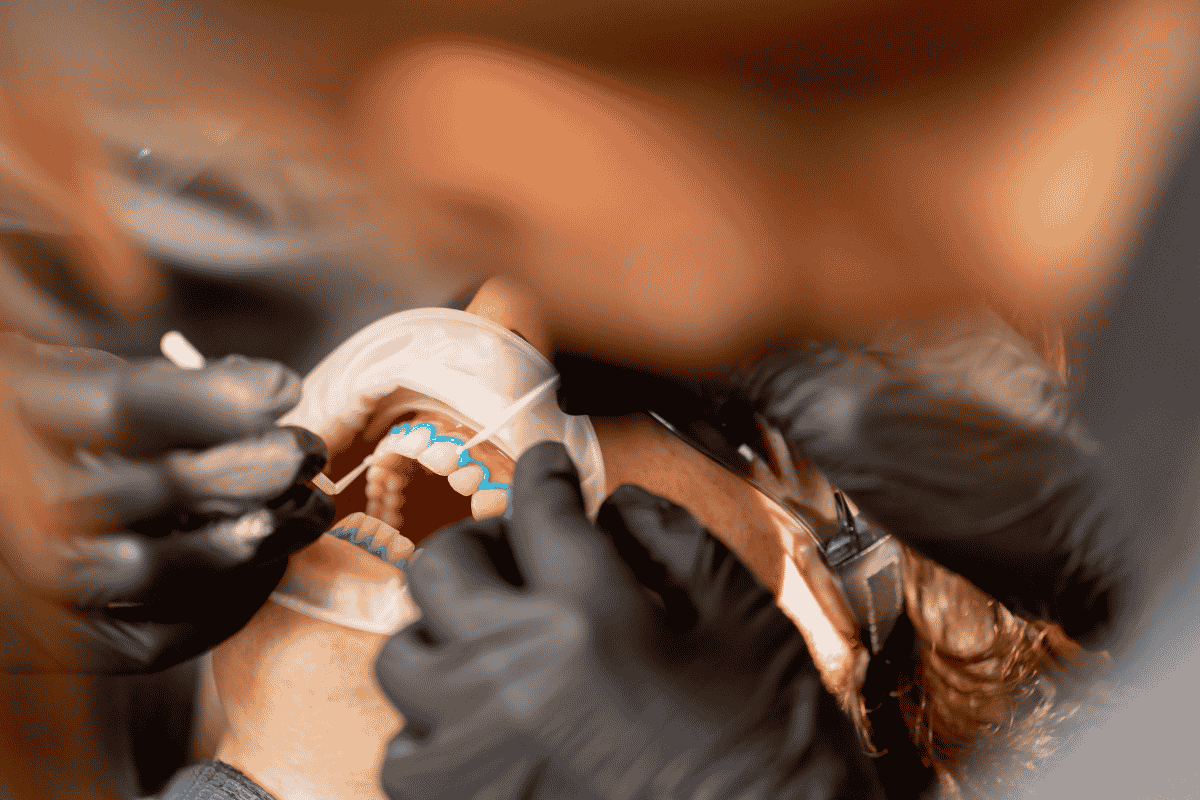
Performed by a dental professional, this option uses a stronger bleaching agent than store-bought products, often activated with a special light. Results are typically visible after a single session, making it ideal for anyone wanting fast, noticeable results before a big event.
Take-Home Whitening Trays
Your dentist creates custom-fitted trays and provides a professional-grade whitening gel for you to use at home over one to two weeks. This option offers a good balance between convenience and effectiveness, with results that tend to last longer than store-bought kits.
Over-the-Counter Products
Whitening strips, gels, and toothpaste can help with surface-level stains, but they contain lower concentrations of whitening agents and won’t address deeper, intrinsic discoloration. They’re best used for maintenance between professional treatments, not as a standalone solution.
Which Option Is Right for You?
If your discoloration is mostly surface stains from coffee, tea, or tobacco, a take-home tray or in-office treatment can make a dramatic difference. If your yellowing comes from genetics, medication, or aging, your dentist can advise you on realistic expectations and alternative options like veneers or bonding.
Brighten Your Smile Today in Allentown, PA
Don’t let yellowing teeth hold back your confidence. Visit our dental clinic in Allentown, PA, where we can evaluate your smile and discuss the best options for achieving a brighter, healthier look. Professional guidance ensures your teeth not only look great but also stay strong and healthy for years to come.
Quick FAQs About Yellow Teeth
Here’s a little guidance on the questions we hear most often about yellowing teeth:
Why do my teeth seem to yellow faster than others?
It’s usually a mix of enamel thickness, genetics, and lifestyle habits such as diet and smoking.
Can brushing more often reverse yellow teeth?
Brushing helps prevent further staining but won’t fully reverse deep discoloration. Professional treatments are more effective.
Do whitening toothpastes work?
They can remove surface stains, but they usually don’t change the natural color of dentin or more stubborn stains.
Is yellowing a sign of poor dental health?
Not necessarily. Yellow teeth can be healthy teeth. However, staining can sometimes indicate plaque buildup, so regular dental visits are important.
Can kids’ teeth turn yellow, too?
Yes, even children can experience yellowing due to diet, medications, or enamel issues. Pediatric dental guidance can help keep their smiles bright.