CALL TO MAKE AN APPOINTMENT!
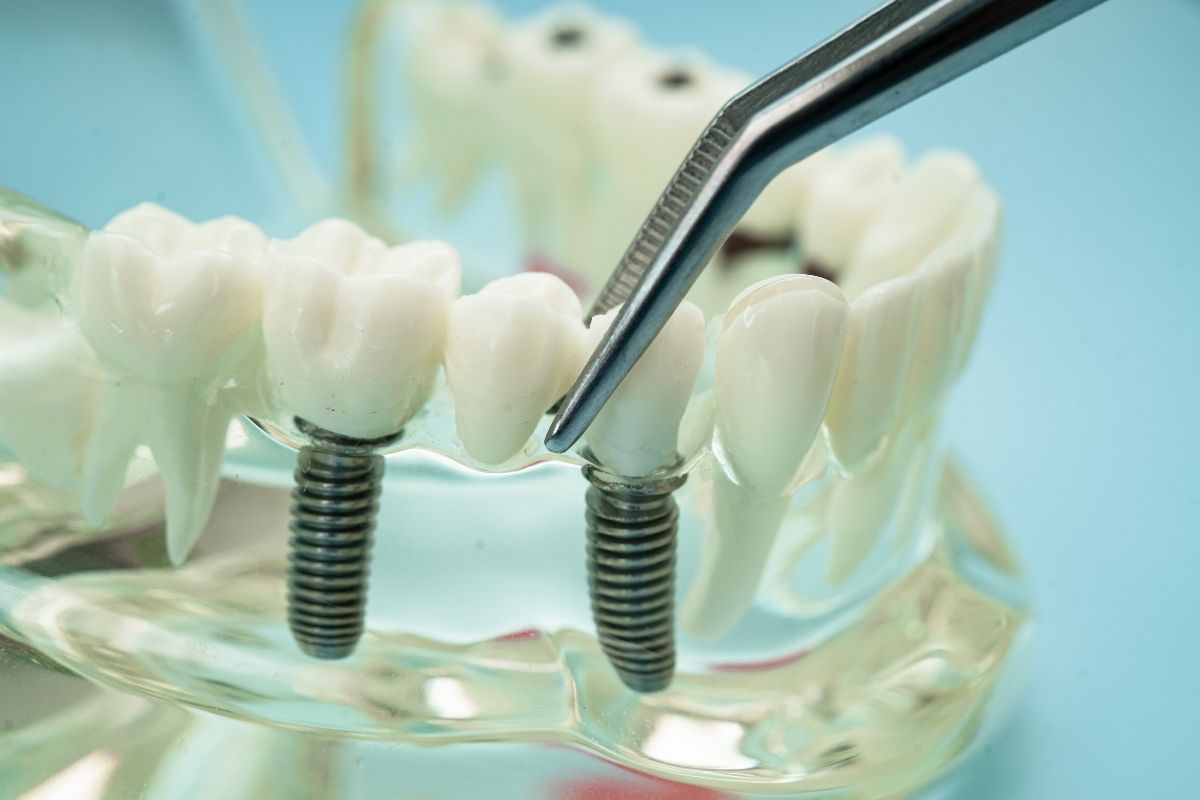
Dental implants are a reliable solution for restoring missing teeth, offering durability, stability, and a natural appearance. While they are designed to function like your real teeth, maintaining them properly requires attention to what you eat. Certain foods can jeopardize your implants, leading to potential complications. Understanding which foods to approach with caution can help protect your investment and keep your smile healthy.
Mind the Healing Period
Before diving into specific foods, it’s worth noting that many of the precautions below matter most in the weeks following implant surgery, while the implant is still fusing with the jawbone (a process called osseointegration). During this window, your dentist may recommend a softer diet than what’s needed once your implant has fully healed.
General guidance includes:
- Stick to soft foods (yogurt, mashed potatoes, scrambled eggs, soups) for the first 1–2 weeks
- Gradually reintroduce firmer foods as directed by your dentist
- Avoid the hard, sticky, and chewy foods listed below almost entirely until fully healed
Tip: Always follow your dentist’s specific post-surgical instructions, as healing timelines can vary from patient to patient.
Hard and Crunchy Foods
Foods that are extremely hard or crunchy can put excessive pressure on your dental implants and the surrounding gum tissue. This pressure can damage the implant crown or even affect the underlying bone structure if consumed frequently.
Examples include:
- Hard candies
- Ice cubes
- Raw nuts or popcorn kernels
- Uncooked hard vegetables like carrots
Tip: Cut crunchy foods into smaller pieces to minimize stress on your implants.
Hard-Crusted Breads and Bagels
Crusty artisan breads, bagels, and similar baked goods can be deceptively tough on implants. The dense, hard exterior requires significant biting force, which can stress the implant crown or abutment, especially in the early months after placement.
Examples include:
- Crusty baguettes or sourdough loaves
- Bagels, especially when slightly stale
- Hard pretzels or crackers
Tip: Toast bread lightly rather than letting it harden further, or tear pieces apart with your hands instead of biting directly into them.
Sticky and Chewy Foods
Sticky or chewy foods tend to cling to teeth and implants, which can create a buildup of bacteria and plaque around the implant site. This may increase the risk of gum irritation or peri-implantitis, a condition that can compromise implant stability.
Examples include:
- Caramel and taffy
- Chewy candy like gummy bears
- Dried fruits with a sticky coating
Tip: If you enjoy these foods, rinse your mouth with water afterward or gently brush to remove residue.
Sugary and Acidic Foods
High sugar intake fuels bacterial growth, leading to inflammation and potential infection around the implant. Acidic foods and drinks can erode the natural gums and affect the surrounding bone over time, which is critical for implant support.
Examples include:
- Soda and energy drinks
- Citrus fruits in excess
- Sweet pastries and desserts
Tip: Consume acidic and sugary foods in moderation and maintain good oral hygiene to protect your implants.
Extremely Hot or Cold Foods
Dental implants themselves are resistant to temperature, but the surrounding gums and natural teeth may be sensitive. Extreme temperature changes can cause temporary discomfort or increase sensitivity in the area.
Examples include:
- Boiling hot beverages or soups
- Ice-cold drinks or frozen treats
Tip: Allow hot foods to cool slightly and avoid biting directly into frozen items.
Tough Meats and Fibrous Foods
Chewing very tough meats or fibrous foods can require extra force, which might strain your implants or the surrounding jawbone. While implants are strong, repeated overexertion can have long-term effects.
Examples include:
- Steak cooked to a very tough consistency
- Fibrous celery or corn husks
Tip: Slice meats thinly and cook fibrous vegetables until softer for safer chewing.
Coffee, Tea, and Staining Beverages
Unlike natural teeth, the crown portion of a dental implant is typically made of porcelain or ceramic, which can still pick up surface stains over time from dark beverages. While this doesn’t threaten the implant’s structural integrity, it can affect its appearance and cause it to look mismatched with surrounding teeth.
Examples include:
- Coffee and black tea
- Red wine
- Dark colas
Tip: Rinse your mouth with water after drinking these beverages, and ask your dentist about polishing options if staining becomes noticeable.
Alcohol and Tobacco Products
While not technically “food,” alcohol consumption and tobacco use are significant risk factors for implant complications. Alcohol can interfere with the body’s natural healing process and may contribute to dry mouth, reducing saliva’s protective effects against bacteria. Tobacco use—including smoking and chewing tobacco—restricts blood flow to the gums, slows healing, and significantly increases the risk of implant failure and peri-implantitis.
Examples to limit or avoid:
- Excessive alcohol consumption, especially during the healing period after implant placement
- Smoking or vaping
- Chewing tobacco or snuff
Tip: If you smoke, talk to your dentist about cessation resources—quitting significantly improves long-term implant success rates.
Best Practices to Protect Your Implants
- Brush twice a day and floss gently around implants.
- Schedule regular check-ups with your dentist.
- Avoid habits like chewing on pens, fingernails, or ice.
- Use a mouthguard if you play sports or grind your teeth at night.
- Limit alcohol and avoid tobacco, especially during healing.
Maintaining a mindful diet is essential for the longevity of your dental implants. By understanding which foods to limit and adopting careful eating habits, you can preserve your implants for years to come.
Keep Your Smile Safe with Pellegrino Dentistry
Want expert guidance on caring for your dental implants? Visit our dental clinic in Allentown, PA, and let our team help you enjoy a strong, healthy smile. From routine cleanings to personalized advice on implant-safe foods, Pellegrino Dentistry is here to make sure your dental implants last a lifetime.