CALL TO MAKE AN APPOINTMENT!

Missing a tooth can impact more than your appearance. It can affect the way you eat, speak, and feel about your smile. If you have been exploring tooth replacement options, you may be wondering whether dental implants are the right choice for you.
The best way to find out is by understanding what dentists look for when evaluating candidates. Several factors can help determine whether this treatment is a good fit for your oral health and long-term goals.
Signs You May Be a Good Candidate
Many adults who have lost one or more teeth can benefit from this treatment. You may be a good candidate if you:
- Have one or more missing teeth
- Want a long-lasting tooth replacement solution
- Have healthy gums
- Maintain good oral hygiene habits
- Are generally in good overall health
Keep in mind that every patient is different. A consultation is the best way to determine what option will work best for your smile.
Why Jawbone Health Is Important
Your jawbone plays a key role in supporting a replacement tooth. After tooth loss, the bone in that area can gradually shrink because it no longer receives stimulation from chewing.
During an evaluation, your dentist will assess the condition of your jawbone to determine whether there is enough support for treatment. Even if some bone loss has occurred, there may be options available to help prepare your mouth for treatment.
Healthy Gums Matter Too
Strong, healthy gums create a stable foundation for a successful outcome. If gum disease is present, it may need to be treated before moving forward.
Maintaining healthy gums through regular dental visits and daily oral care can improve both your oral health and your treatment options.
Factors That Can Affect Eligibility
Certain lifestyle habits and medical conditions may influence the treatment process. Your dentist will review your health history and discuss any factors that could affect healing.
Some examples include:
- Tobacco use
- Uncontrolled health conditions
- Certain medications
- Existing oral health concerns
Having one of these factors does not automatically mean you cannot receive treatment. It simply means additional planning may be needed.
Benefits Beyond Replacing a Missing Tooth
Many people choose this option because it offers advantages that extend beyond appearance.
Potential benefits include:
- Improved chewing function
- Better speech clarity
- A natural-looking smile
- Support for facial structure
- Long-term stability
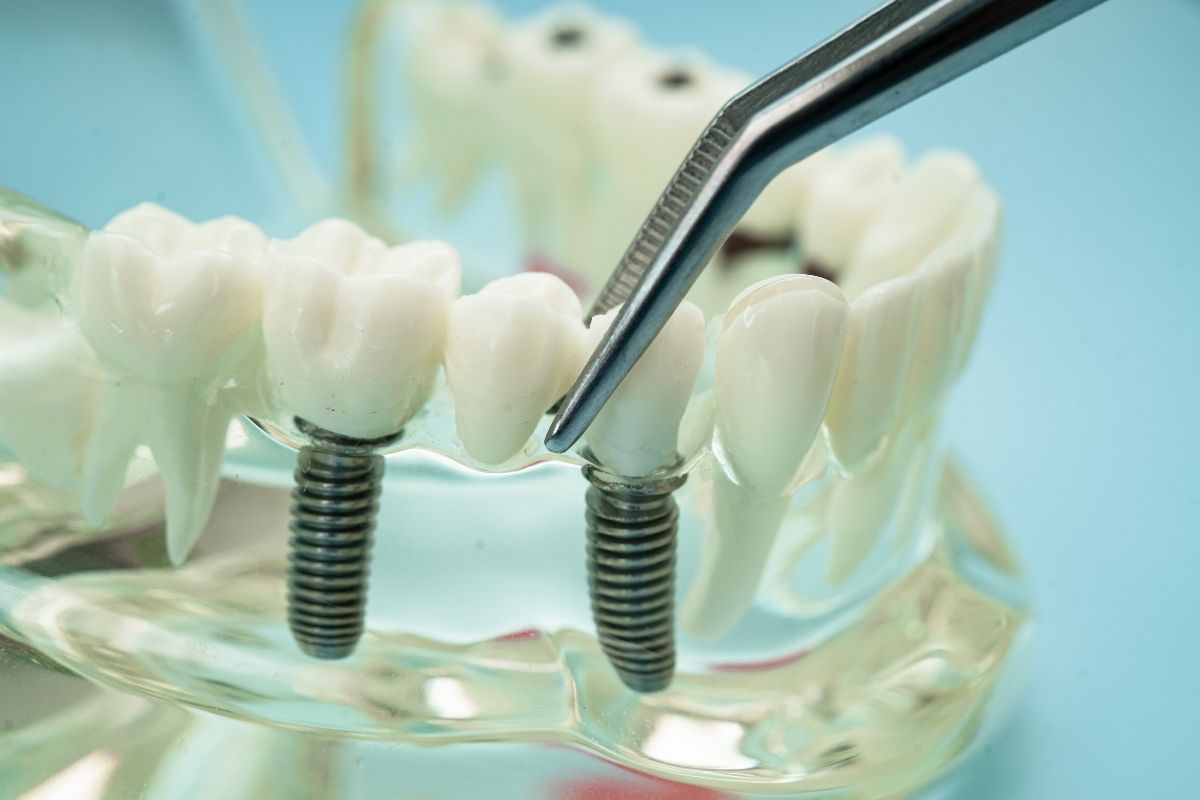
If you are looking for a tooth replacement option that closely resembles natural teeth, learning more about dental implants may help you decide whether it aligns with your needs.
When Should You Schedule an Evaluation?
You may want to speak with a dentist if you:
- Have a missing tooth or multiple missing teeth
- Avoid certain foods because chewing is difficult
- Feel self-conscious about gaps in your smile
- Want a long-term solution for tooth loss
A professional evaluation can help determine whether you are a candidate and what treatment options are available for your specific situation.
Take the First Step Toward a Complete Smile
If you are considering dental implants that Allentown residents trust to replace missing teeth, the team at Pellegrino Dentistry is ready to help. We will evaluate your oral health, answer your questions, and discuss the options that best fit your needs. Contact Pellegrino Dentistry in Allentown today at to schedule an appointment and learn more about restoring your smile with confidence.
Frequently Asked Questions :
How do I know if I have enough jawbone support?
Your dentist can evaluate your jawbone using diagnostic imaging and determine whether additional treatment is needed before proceeding.
Can I get this treatment if I have been missing a tooth for years?
Possibly. Many people who have experienced tooth loss for an extended period can still be candidates after a professional evaluation.
How long does treatment usually take?
The timeline varies based on individual needs, healing time, and any preparatory procedures that may be recommended.
Is caring for the replacement tooth difficult?
No. Consistent brushing, flossing, and routine dental checkups are typically all that is needed to maintain good oral health.