CALL TO MAKE AN APPOINTMENT!

Jawbone loss is a hidden dental concern that can affect your overall oral health. Often caused by tooth loss, it can lead to several complications if not addressed in time. The process is gradual, which makes it difficult to notice without a proper check-up. The jawbone begins to deteriorate when it’s no longer stimulated by a tooth root. When teeth are lost or extracted, the empty spaces don’t maintain bone density. Addressing the condition early with dental implantation treatment can help restore your oral health and prevent further damage.
In this city with four seasons, the issue is especially concerning in colder months, when people might avoid outdoor activities that support healthy bones. Whether at the fairgrounds during a festival or at Jay’s Local café, it’s easy to overlook subtle changes in your jawbone health. Understanding early signs of jawbone loss is key to preserving your smile and oral health. It’s time to pay attention to these silent symptoms that could indicate a more serious problem.
What Are the Silent Signs of Jawbone Loss?
Jawbone loss is often gradual, making it hard to detect in its early stages. Here are some signs that you might be overlooking:
1. Loose or Shifting Teeth
As the jawbone begins to shrink, the teeth may start to feel loose or shift out of alignment. This is because the bone structure no longer provides enough support to keep your teeth stable. If you notice any movement or unusual gaps in your teeth, it could be a sign of jawbone deterioration.
2. Receding Gums
A shrinking jawbone can also cause your gums to recede, making the roots of your teeth more exposed. If your gums are pulling back, it’s often a visible indication of underlying bone loss. You may notice this when brushing or flossing, as your gums may bleed more easily.
3. Changes in Bite or Facial Appearance
Jawbone loss can change the way your teeth fit together. Over time, you might feel as though your bite is shifting. In more advanced stages, this can alter the appearance of your face, making it look sunken, especially around the cheeks and chin. Local landmarks like Lehigh Parkway Park with scenic trails show how gradual changes can go unnoticed without careful attention.
How Does Jawbone Loss Affect Your Health?
The impact of jawbone loss extends beyond just your teeth. It can lead to further complications, including difficulty speaking, eating, and breathing. Living here means facing seasonal changes, and bone loss in the jaw can make colder months more uncomfortable. This happens especially if it affects facial structure.
What Causes Jawbone Loss?
There are several reasons why someone might experience jawbone loss. Here’s a breakdown of common causes:
- Tooth Loss: When a tooth is lost and not replaced, the jawbone loses the stimulation it needs to stay healthy.
- Gum Disease: Periodontal disease can weaken the bone structure around the teeth, leading to bone loss.
- Tooth Extraction: If a tooth is extracted and not replaced, the jawbone will eventually start to shrink due to a lack of stimulation.
- Trauma or Injury: An accident or injury can damage the jaw, leading to bone loss over time.
Can Jawbone Loss Be Prevented?
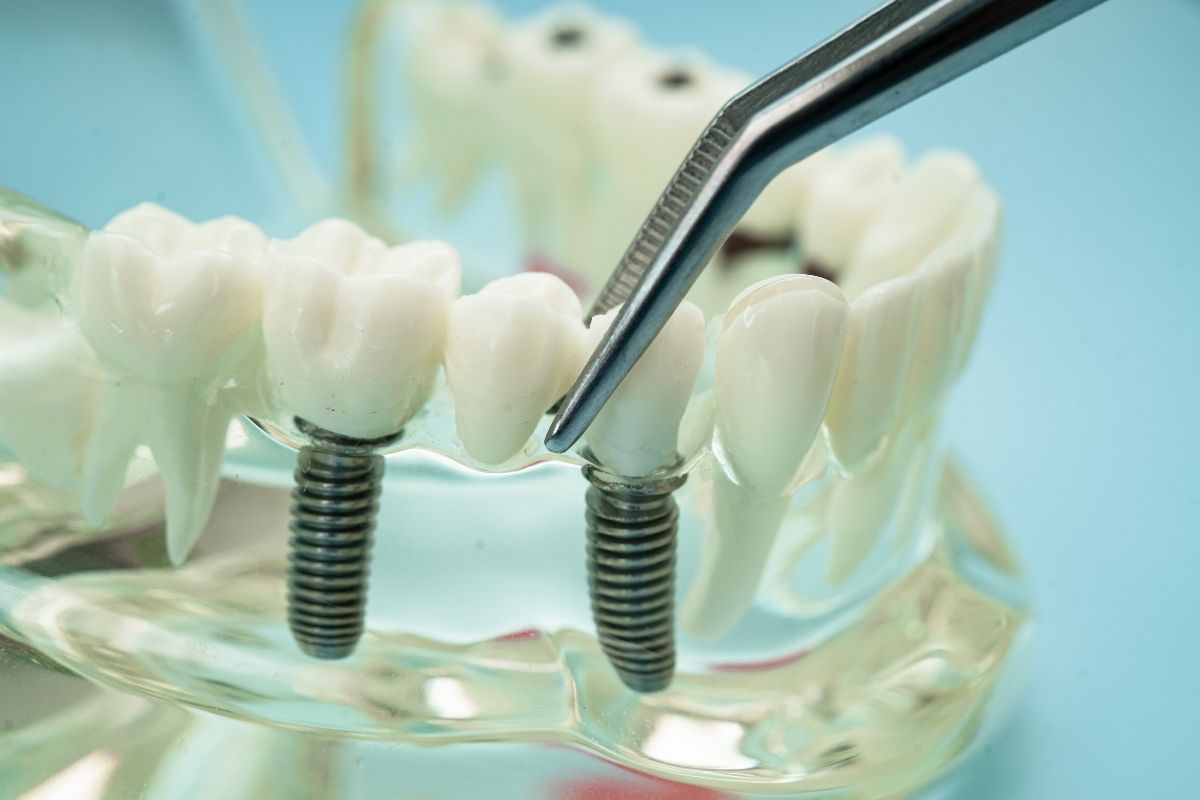
There are a few ways to prevent jawbone loss. Maintaining good oral hygiene is key to preventing gum disease, which is a leading cause of jawbone loss. Additionally, dental implants are often used to restore teeth that have been lost, providing necessary stimulation to the jawbone. Here’s a simple breakdown of how dental implants can help:
- Dental implants function like natural teeth, stimulating the jawbone and preventing bone loss.
- They provide stability to surrounding teeth and prevent shifting or loosening.
- The process involves placing a titanium post into the jaw, which eventually fuses with the bone, maintaining its strength.
By visiting a professional dental office, you can explore whether dental implants are the right choice for you.
Protect Your Oral Health: Act Before It’s Too Late
Don’t ignore the signs of jawbone loss. It’s important to take action early to protect your oral health and your smile. If you’re noticing any changes, like shifting teeth, gum recession, or changes in your bite, it’s time to seek professional help. Visit our dental office in Allentown to discuss how we can help prevent further damage with advanced treatment options. At Pellegrino Dentistry, we’re dedicated to providing you with the care you need to keep your smile healthy and vibrant.
FAQs
1. How can you tell if you have jawbone loss?
Keep an eye out for signs like loose teeth, gum recession, and changes in your bite. If you notice these symptoms sticking around, it’s a good idea to see your dentist for an evaluation. Taking care of these early can make a big difference!
2. What can you do to prevent jawbone loss?
Keep up with good oral hygiene, visit your dentist regularly, and think about dental restoration if you’ve lost a tooth. These steps can really help prevent bone loss and keep your smile healthy and bright.
3. Can dental implants help with jawbone loss?
Yes, dental restorations do a great job of mimicking the function of natural teeth. This provides the necessary stimulation to help prevent further bone loss.
4. How long does it take to get dental implants?
The process might take a few months, as healing time is needed for the bone to properly fuse with the restoration. Your dentist will give you a personalized timeline to keep you informed every step of the way.
5. Can gum disease cause jawbone loss?
If you ignore gum disease, it can weaken the bone around your teeth and might even cause jawbone loss. But don’t worry; regular visits to your dentist can help keep this problem at bay and protect your smile.