Book Online
Yes, some discomfort is normal. Most people feel mild to moderate soreness, swelling, and tenderness for the first few days after surgery, and it usually fades within one to two weeks. What is not normal is pain that gets worse after day five, throbs nonstop, or comes with pus, fever, or a loose implant. If that sounds like you, call your dentist right away.
Below, we break down what healing should feel like, how long it takes, and the red flags worth taking seriously.
What Does Normal Implant Discomfort Feel Like?
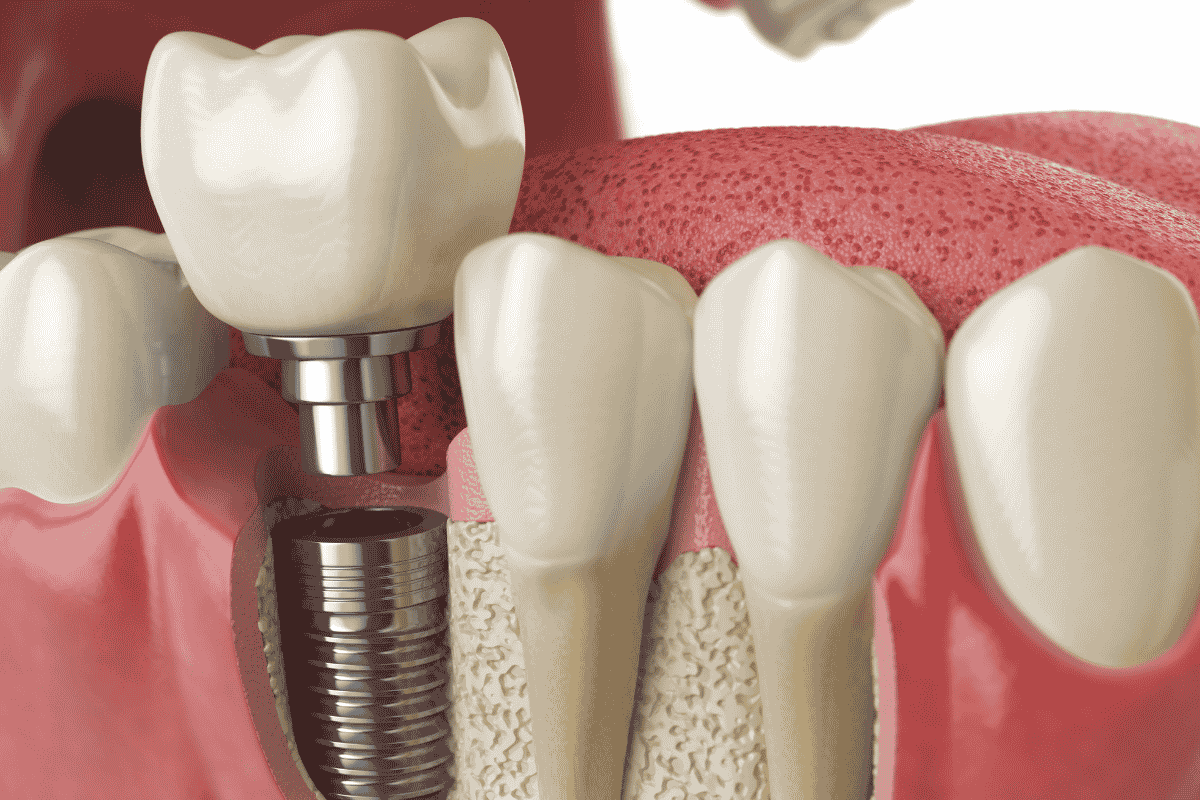
Your dentist placed a titanium post into your jawbone, so your body treats the area like any other surgical site. Expect a dull ache, pressure, or tenderness around the implant. Your gums may look puffy, and you might notice light bruising on your cheek or a little blood in your saliva during the first day or two.
Most patients describe the feeling as similar to a tooth extraction, and many say it’s easier than they expected. Over-the-counter pain relievers and a few days of rest handle it for most people.
How Long Does the Pain Last?
Healing follows a fairly predictable pattern, though every mouth is different.
The first 48 hours bring the most soreness and swelling. This is when you’ll feel the surgery most.
Days 3 to 7 should feel noticeably better. Swelling peaks around day three, then starts to drop. You should need less medication each day.
Weeks 2 to 4 leave you with mild tenderness at most, especially when you chew near the site.
Months 2 to 6 are when the implant fuses with your jawbone, a process called osseointegration. You usually feel nothing during this stage. If you do notice new pain, that’s worth a call.
Bone grafts, multiple implants, or sinus lifts can stretch the timeline a bit, so ask your dentist what to expect for your specific case.
What Pain Signals a Problem?
Healing pain moves in one direction: it improves. Pain that moves the other way deserves attention. Watch for these warning signs:
Throbbing or sharp pain that grows stronger after the first week. This can point to infection or an implant that is not integrating properly.
Pus, a bad taste, or persistent bad breath near the site. These often signal an infection called peri-implantitis, which can damage the bone around your implant if untreated.
Swelling that keeps increasing after day three, or a fever.
A wobbly implant or crown. Implants should feel solid. Movement means something is wrong.
Numbness, tingling, or burning in your lip, chin, or tongue. The implant may be pressing on or irritating a nerve, and you should report this quickly.
Pain only when you bite down. A crown that sits too high can overload the implant, but your dentist can usually fix this in a short visit.
How Can You Ease Soreness at Home?
A few simple habits make recovery smoother:
Take pain medication exactly as your dentist directs. Staying ahead of the pain works better than waiting until it spikes.
Use a cold pack on your cheek for 15 minutes at a time during the first two days to calm swelling.
Eat soft foods like yogurt, eggs, soup, and mashed potatoes. Skip anything crunchy, chewy, or very hot until your dentist clears you.
Rinse gently with warm salt water after the first day. Don’t swish hard.
Skip smoking and straws. Both can disrupt healing and raise your risk of complications.
Keep brushing, but stay gentle around the surgical area.
When Should You Call Your Dentist?
Call if your pain worsens instead of improving, lasts beyond two weeks without easing, or shows up with fever, pus, or numbness. Do not wait for your next scheduled follow-up. If you live near Allentown, a quick check often settles the question one way or the other, and catching a problem early makes it far easier to treat. Calling about something harmless costs you five minutes. Ignoring a real problem can cost you the implant.
Quick FAQs
Does implant surgery hurt during the procedure?
No. Your dentist numbs the area, so you should feel pressure but not pain. Sedation is also available if you feel anxious.
Is it normal for an implant to hurt months later?
Not usually. Pain that appears months or years after placement can signal infection, bone loss, or a bite problem, so schedule an exam.
Which hurts more, an extraction or an implant?
Most patients report that implant recovery feels about the same as or milder than an extraction.
Can I take ibuprofen after implant surgery?
Many dentists recommend it, but follow the instructions you received, especially if you take other medications.
Worried About Your Healing? Let Us Take a Look
You shouldn’t have to guess whether your discomfort is normal. If your implant feels off, or you’re thinking about getting one and want honest answers first, our team at Pellegrino Dentistry is ready to help. Visit our dental clinic in Allentown for a careful exam, clear answers, and a plan that gets you back to eating, smiling, and living comfortably. Call us today to book your visit.